
Did you know some healthy foods can be tricky? Some high protein foods might not be the best choice all the time. It is important to know which ones to watch out for. We want to help you make smart choices about what you eat!
Eating protein helps us grow big and strong. But too much of certain foods can cause problems. This article will help you learn about high protein foods to avoid. We will also teach you how to eat a balanced diet.
This guide is here to help you. Let’s explore healthy eating together! Are you ready to learn more about protein? Let’s get started.

Key Takeaways
- Some seemingly healthy high protein foods can have hidden downsides.
- Processed meats often contain unhealthy additives and high sodium levels.
- Certain protein bars can be packed with sugar and artificial ingredients.
- Too much red meat may increase the risk of certain health problems later in life.
- Balancing protein intake with fruits, vegetables, and whole grains is essential.

High Protein Foods: What to Be Aware Of
Protein is super important. It helps build muscles and keeps you strong. But some high protein foods might not be the best choice all the time. Processed meats like hot dogs and sausages can have lots of salt and unhealthy fats. Some protein bars are full of sugar and things you don’t even know how to pronounce! Red meat, like beef, is good sometimes. Eating too much red meat might not be so great for your heart in the long run. Even some fish can have mercury, which isn’t good for you. It’s all about finding the right balance. We want to make sure you’re getting protein in a healthy way. You should also eat lots of fruits, veggies, and whole grains! Knowing what to watch out for is the first step. You can make smart choices about what you eat.
- Processed meats often have high sodium.
- Some protein bars are very sugary.
- Red meat can be high in saturated fat.
- Certain fish may contain mercury.
- Too much protein can strain kidneys.
It’s important to understand that not all protein sources are created equal. While protein is essential for growth and repair, the overall nutritional profile of the food matters just as much. For example, a grilled chicken breast is a great source of lean protein. On the other hand, a hot dog, while also high in protein, is loaded with sodium, processed ingredients, and unhealthy fats. Therefore, it’s not just about the quantity of protein. It’s also about the quality of the food it comes from. Make sure to read labels and choose options that are lower in salt, sugar, and unhealthy fats. Balancing your diet with a variety of nutrient-rich foods is the key to staying healthy and strong.
Why Processed Meats Aren’t Always the Best Choice
Have you ever wondered why hot dogs taste so good? They often have a lot of salt and other stuff added to them. These things can make them not so healthy. Eating too many processed meats can sometimes lead to health problems later on. This is because they often contain nitrates and nitrites. These are used to preserve the meat. They can also form harmful compounds in your body. Choosing fresh meats and cooking them yourself is often a better option. This way, you know exactly what’s in your food. You can also control the amount of salt and other seasonings. Remember, it’s all about making smart choices for your body!
The Problem with Sugary Protein Bars
Imagine you’re super hungry after playing outside. You grab a protein bar, thinking it’s a healthy choice. But wait! Some protein bars are like candy bars in disguise. They have lots of sugar. Too much sugar isn’t good for your body. It can lead to energy crashes and even health problems over time. Always check the labels on protein bars. Look for bars with less sugar and more fiber. Fiber helps you feel full and keeps your body happy. Choosing whole foods like fruits and nuts is often a better way to get energy and protein.
Is Red Meat Always Bad?
Once upon a time, people thought red meat was the best thing ever. It has lots of iron and protein. But eating too much red meat can sometimes cause problems. It has saturated fat. This kind of fat can raise your cholesterol. High cholesterol isn’t good for your heart. Eating red meat once in a while is okay. But try to balance it with other protein sources. Chicken, fish, beans, and lentils are all great choices. They are healthier for your heart and body. Remember, variety is the spice of life!
Fun Fact or Stat: Did you know that some protein bars have more sugar than a candy bar? Always check the nutrition label!

Limiting Intake of Processed Meats
Processed meats are things like hot dogs, sausages, and bacon. They are often made with lots of salt and chemicals. Eating too many of these foods can be bad for you. They can increase your risk of getting sick. It’s better to eat fresh meats like chicken or fish. These are healthier and don’t have as many bad things in them. If you do eat processed meats, try to eat them only sometimes. Don’t eat them every day. It’s also good to read the labels. Look for brands that have less salt and fewer chemicals. Your body will thank you for making healthy choices. You can also try making your own sausages at home. This way, you know exactly what’s in them!
- Limit hot dogs and sausages.
- Choose fresh meats when possible.
- Read labels for sodium content.
- Make your own sausages at home.
- Eat processed meats in moderation.
It’s also important to understand why processed meats are often considered unhealthy. The processing methods used to create these foods often involve adding preservatives, flavor enhancers, and large amounts of sodium. These additives can contribute to various health issues, such as high blood pressure and increased risk of certain cancers. The World Health Organization (WHO) has even classified processed meats as a Group 1 carcinogen, meaning there is sufficient evidence that they can cause cancer. This doesn’t mean you can never enjoy a hot dog at a baseball game, but it does mean that you should be mindful of how often you consume these products. Opting for fresh, whole foods whenever possible will always be the healthier choice.
Understanding Nitrates and Nitrites
Have you ever heard of nitrates and nitrites? These are chemicals added to processed meats. They help keep the meat from spoiling. They also give it a pink color. But nitrates and nitrites can turn into bad stuff in your body. This bad stuff can increase your risk of getting sick. That’s why it’s good to limit how much processed meat you eat. Look for processed meats that say “no nitrates added.” These might be a little healthier. But it’s still best to eat fresh meats most of the time. Remember, reading labels is super important!
Sodium Overload: The Hidden Danger
Imagine you’re a superhero with super taste powers. You can taste all the salt in your food. If you ate a lot of processed meats, your taste buds would be overwhelmed! Processed meats are often loaded with sodium. Sodium is another word for salt. Too much salt can raise your blood pressure. High blood pressure isn’t good for your heart. It can make it harder for your heart to pump blood. That’s why it’s important to watch how much salt you eat. Choose foods with less sodium. Your heart will thank you!
Healthier Alternatives to Processed Meats
What if you love the taste of meat but want to be healthy? There are lots of great options! Chicken and fish are excellent choices. They are lower in fat and sodium than processed meats. Beans and lentils are also super healthy. They have lots of protein and fiber. Fiber helps you feel full and keeps your body happy. Tofu is another good option. It’s made from soybeans and can be cooked in many ways. Experiment with different foods to find what you like. Eating healthy can be fun!
Fun Fact or Stat: Eating just 50 grams of processed meat per day (about one hot dog) can increase your risk of colorectal cancer by 18%!

Avoiding Excessively Sugary Protein Bars
Protein bars can be a quick and easy snack. But many protein bars are packed with sugar. Eating too much sugar is not good for your health. It can lead to weight gain and other problems. When choosing a protein bar, always read the label. Look for bars with low sugar content. Some bars use artificial sweeteners. These are not always the best choice either. Try to find bars with natural ingredients. Nuts, seeds, and dried fruits are good options. You can also make your own protein bars at home. This way, you know exactly what’s in them. Choose wisely to stay healthy!
- Read labels carefully for sugar content.
- Avoid bars with artificial sweeteners.
- Look for natural ingredients like nuts and seeds.
- Make your own protein bars at home.
- Choose whole foods instead of bars when possible.
The marketing of protein bars can be misleading. Many are advertised as healthy snacks, but they often contain as much sugar as a candy bar. This is because sugar is added to improve the taste and texture of the bar. However, consuming excessive amounts of sugar can lead to insulin resistance, weight gain, and an increased risk of type 2 diabetes. Artificial sweeteners are sometimes used as a substitute for sugar, but these can also have negative effects on your health. Some studies suggest that artificial sweeteners can disrupt your gut bacteria and increase cravings for sweet foods. The best approach is to choose protein bars with minimal added sugars and artificial ingredients, or to opt for whole, unprocessed foods like fruits, vegetables, and nuts.
The Truth About Hidden Sugars
Have you ever played detective and looked for hidden clues? You can do the same with food labels! Sugar can hide under different names. Look for words like corn syrup, dextrose, and fructose. These are all different kinds of sugar. Some protein bars have multiple types of sugar. This can add up quickly. Even if a bar says “no added sugar,” it might still have natural sugars from fruits. It’s important to be aware of all the different ways sugar can sneak into your food. Become a sugar detective!
Why Fiber Matters in Protein Bars
Imagine your stomach is a busy highway. Fiber is like the traffic controller. It helps keep things moving smoothly. Fiber is super important for your digestion. It also helps you feel full. Some protein bars have lots of fiber. Others have very little. Choose bars with more fiber. This will help you stay satisfied longer. It will also keep your tummy happy. Look for bars with at least 3 grams of fiber per serving. Your body will thank you!
Making Your Own Healthy Protein Snacks
Want to be a super chef? Making your own protein snacks is easier than you think! You can mix nuts, seeds, and dried fruits together. Add a little bit of honey or maple syrup for sweetness. Roll them into balls. These are perfect for a quick energy boost. You can also make your own granola bars. Use oats, nuts, and seeds. Bake them in the oven. Homemade snacks are much healthier than store-bought ones. You know exactly what’s in them. Plus, they taste amazing!
Fun Fact or Stat: Some protein bars contain over 20 grams of sugar, which is more than some candy bars!
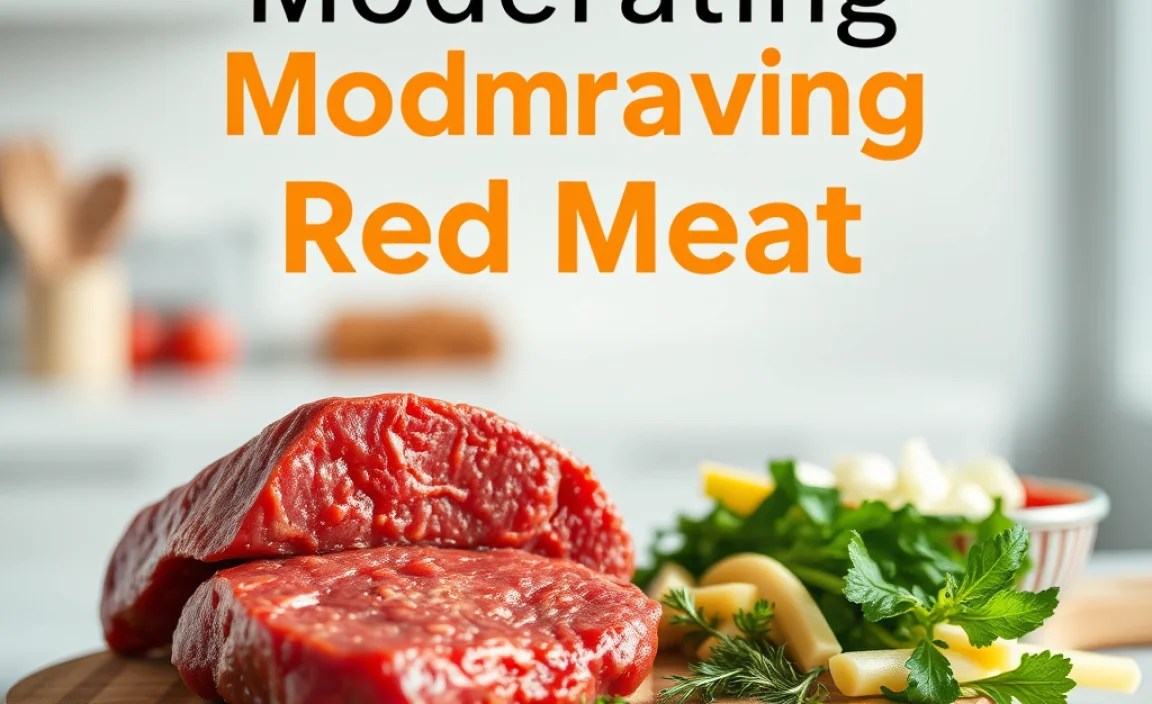
Moderating Red Meat Consumption
Red meat, like beef and lamb, is a good source of protein and iron. But eating too much red meat can be bad for your health. It can increase your risk of heart problems and other illnesses. It’s okay to eat red meat sometimes. But try to balance it with other protein sources. Chicken, fish, beans, and lentils are all great choices. They are lower in fat and healthier for your heart. When you do eat red meat, choose lean cuts. These have less fat. Also, try to grill or bake the meat instead of frying it. This will help reduce the amount of fat. Remember, moderation is key!
- Limit red meat to a few times a week.
- Choose lean cuts of red meat.
- Grill or bake instead of frying.
- Balance with other protein sources like chicken and fish.
- Consider plant-based protein options.
The concern with red meat lies in its high saturated fat content. Saturated fat can raise your cholesterol levels, which increases your risk of heart disease. Additionally, some studies have linked high red meat consumption to an increased risk of certain cancers, particularly colorectal cancer. This doesn’t mean you have to completely eliminate red meat from your diet. It just means that you should be mindful of how much you’re eating and choose healthier preparation methods. Opting for leaner cuts, trimming excess fat, and cooking methods that don’t involve adding extra fat can help mitigate some of the risks. It’s also important to balance your diet with plenty of fruits, vegetables, and whole grains.
The Link Between Red Meat and Heart Health
Imagine your heart is a busy road. Cholesterol is like traffic. Too much traffic can cause a traffic jam. Saturated fat in red meat can raise your cholesterol. High cholesterol can clog your arteries. Arteries are like the roads that carry blood to your heart. Clogged arteries can lead to heart problems. That’s why it’s important to eat less saturated fat. Choose lean meats and other protein sources. Keep your heart healthy and your arteries clear!
Lean Cuts vs. Fatty Cuts of Red Meat
Have you ever seen different kinds of meat at the store? Some have more white stuff in them. That white stuff is fat. Lean cuts of meat have less fat. Fatty cuts have more fat. Lean cuts are healthier for you. They have less saturated fat. Choose lean cuts like sirloin or tenderloin. Trim off any extra fat before cooking. This will help you reduce your fat intake. Your heart will thank you for choosing lean!
Plant-Based Protein Alternatives
What if you don’t want to eat meat at all? There are lots of amazing plant-based protein options! Beans and lentils are super stars. They are packed with protein and fiber. Tofu is made from soybeans. It can be cooked in many different ways. Nuts and seeds are also great sources of protein. Quinoa is a grain that has lots of protein. Experiment with different plant-based foods. You might discover your new favorite meal!
Fun Fact or Stat: People who eat the most red meat have a 28% higher risk of developing heart disease!
Understanding Mercury Levels in Fish
Fish is a very healthy food. It has lots of good things like omega-3 fats. These fats are good for your brain and heart. But some fish can have mercury in them. Mercury is a metal that can be harmful if you eat too much of it. Big fish like swordfish and shark have more mercury. Smaller fish like salmon and shrimp have less mercury. It’s important to choose fish wisely. Eating a variety of fish is a good idea. This way, you won’t get too much mercury from any one type of fish. Pregnant women and young children should be extra careful about eating fish. They are more sensitive to the effects of mercury.
- Choose fish low in mercury like salmon and shrimp.
- Avoid high-mercury fish like swordfish and shark.
- Eat a variety of fish to limit mercury exposure.
- Pregnant women and children should be extra careful.
- Check mercury advisories for your area.
Mercury gets into the water from industrial pollution. Fish absorb mercury from the water and from the food they eat. Larger, longer-lived fish tend to accumulate more mercury over time. Mercury can be harmful because it can damage the nervous system, especially in developing children. Symptoms of mercury poisoning can include tremors, memory problems, and developmental delays. While it’s important to be aware of the risks of mercury exposure, it’s also important to remember that fish is a valuable source of nutrients. The key is to make informed choices about the types of fish you eat and to follow the guidelines provided by health organizations.
Which Fish Are Safest to Eat?
Imagine you’re going on a fishing trip. You want to catch the safest fish to eat. Salmon is a great choice! It’s low in mercury and high in omega-3s. Shrimp is also a good option. Canned light tuna is usually lower in mercury than albacore tuna. Sardines are small and packed with nutrients. They are also low in mercury. Avoid fish like swordfish, shark, and king mackerel. These have the highest levels of mercury. Happy fishing!
The Impact of Mercury on Children’s Health
Have you ever heard of mercury? It’s a metal that can be harmful to kids. Mercury can affect how a child’s brain grows. It can cause problems with learning and behavior. That’s why it’s important for kids to eat fish that is low in mercury. Pregnant women should also be careful. Mercury can pass from the mother to the baby. Protecting children from mercury is very important. Choose safe fish options for your family.
Balancing Benefits and Risks of Fish Consumption
Eating fish is like walking a tightrope. You want to get all the good stuff without falling into the mercury trap. Fish has lots of omega-3s. These are good for your brain and heart. Fish also has protein and other important nutrients. But you need to be careful about mercury. Choose fish that is low in mercury. Eat a variety of fish. Follow the guidelines from health experts. Balance the benefits and risks to stay healthy.
Fun Fact or Stat: The FDA and EPA provide guidelines on safe fish consumption for pregnant women and children!
Understanding the Importance of Balance
Eating healthy is like building a tower. You need a strong base and a good balance. Protein is important. But you also need other things like fruits, vegetables, and grains. Eating too much of one thing can make your tower wobbly. Make sure you’re getting all the nutrients you need. Fruits and vegetables give you vitamins and minerals. Grains give you energy. Protein helps you grow strong. Eating a balanced diet will help you stay healthy and happy. It’s all about making smart choices and enjoying a variety of foods!
- Include fruits and vegetables in every meal.
- Choose whole grains over processed grains.
- Balance protein with carbs and fats.
- Drink plenty of water.
- Listen to your body’s hunger cues.
A balanced diet ensures that you are getting all the essential nutrients your body needs to function properly. This includes not only macronutrients like protein, carbohydrates, and fats, but also micronutrients like vitamins and minerals. Each nutrient plays a unique role in supporting your health and well-being. For example, vitamin C helps boost your immune system, while calcium is important for strong bones. Eating a variety of foods from different food groups is the best way to ensure that you are getting all the nutrients you need. It’s also important to pay attention to portion sizes and to avoid overeating. Remember, a healthy diet is not about restriction. It’s about making smart choices and enjoying food in moderation.
The Role of Fruits and Vegetables
Imagine your body is a garden. Fruits and vegetables are like the sunshine and water. They help everything grow strong and healthy. Fruits and vegetables have lots of vitamins and minerals. These are super important for your body. They help you fight off germs and stay healthy. Try to eat a rainbow of fruits and vegetables. Each color has different nutrients. Eating lots of fruits and vegetables is one of the best things you can do for your health. So, eat your colors!
Choosing Whole Grains Over Processed Grains
Have you ever seen whole wheat bread and white bread? Whole wheat bread is made from whole grains. White bread is made from processed grains. Whole grains are much healthier for you. They have more fiber and nutrients. Fiber helps you feel full and keeps your digestion happy. Processed grains have been stripped of their nutrients. Choose whole grains like brown rice, oats, and whole wheat bread. Your body will thank you for it!
The Importance of Hydration
Imagine your body is a plant. Plants need water to survive. Your body also needs water to stay healthy. Water helps you digest food. It helps you get rid of waste. It keeps your skin healthy. Drink plenty of water throughout the day. Carry a water bottle with you. Sip on it regularly. Avoid sugary drinks like soda and juice. Water is the best choice for hydration. Stay hydrated and stay healthy!
Fun Fact or Stat: A balanced plate should be half fruits and vegetables, one-quarter protein, and one-quarter whole grains!
Smart Snacking: High Protein Food Options
Snacking can be a healthy part of your day. But it’s important to choose smart snacks. High protein snacks can help you feel full and satisfied. They can also give you energy between meals. Nuts and seeds are great high protein snacks. Greek yogurt is another good choice. Hard-boiled eggs are easy to prepare and pack. Edamame is a type of soybean that is high in protein and fiber. Cheese sticks are a convenient and portable option. Avoid sugary snacks like candy and chips. These will give you a quick energy boost, but you’ll crash later. Choose smart snacks to stay energized and healthy!
Here is a quick guide on some high-protein snacks, along with their protein content and some pros and cons:
| Snack | Protein Content (per serving) | Pros | Cons |
|---|---|---|---|
| Almonds | 6 grams (per 1 ounce) | Healthy fats, vitamin E, portable | High in calories, potential allergen |
| Greek Yogurt | 20 grams (per 1 cup) | Calcium, probiotics, versatile | Can be high in sugar, some may not like the taste |
| Hard-Boiled Eggs | 6 grams (per egg) | Easy to prepare, inexpensive, nutrient-rich | Can be smelly, may not be appealing to everyone |
| Edamame | 8 grams (per 1/2 cup) | High in fiber, plant-based, good source of iron | May cause bloating, some find it bland |
| Cheese Sticks | 6 grams (per stick) | Convenient, calcium, satisfying | Can be high in sodium and saturated fat |
- Choose nuts and seeds for healthy fats and protein.
- Opt for Greek yogurt for a protein boost.
- Hard-boiled eggs are a convenient and healthy snack.
- Edamame is a great plant-based protein option.
- Cheese sticks can be a quick and easy snack.
Smart snacking is all about planning ahead and making healthy choices. It’s easy to reach for a bag of chips or a candy bar when you’re feeling hungry, but these snacks are often high in sugar, unhealthy fats, and empty calories. Instead, try to keep a supply of healthy snacks on hand so that you have a convenient and nutritious option when hunger strikes. Protein-rich snacks are particularly beneficial because they help to keep you feeling full and satisfied, which can prevent overeating later on. Combining protein with fiber is also a great strategy for maximizing satiety. For example, you could pair an apple with a handful of almonds or a few carrot sticks with hummus.
The Power of Nuts and Seeds
Imagine you’re a squirrel getting ready for winter. You need to gather lots of nuts and seeds! Nuts and seeds are packed with energy and nutrients. They are also a great source of protein and healthy fats. Almonds, walnuts, and chia seeds are excellent choices. They can help you feel full and satisfied. Add them to your yogurt, oatmeal, or salads. You can also eat them as a snack. Just don’t eat too many. They are high in calories. A small handful is all you need.
Greek Yogurt: A Protein Superstar
Have you ever tried Greek yogurt? It’s like regular yogurt, but even better! Greek yogurt has lots of protein. It also has calcium, which is good for your bones. You can eat it plain or add fruit and granola. It’s a delicious and healthy snack. Look for Greek yogurt that is low in sugar. Some brands add lots of sugar to make it taste better. But you can add your own fruit for sweetness. Enjoy your protein-packed yogurt!
Hard-Boiled Eggs: Simple and Nutritious
Imagine you’re a chicken laying an egg. That egg is full of protein and nutrients! Hard-boiled eggs are a simple and nutritious snack. They are easy to prepare and pack. You can eat them on their own or add them to salads. They are a great source of protein and choline. Choline is good for your brain. Hard-boiled eggs are a perfect snack for busy people. Keep a few in the fridge for a quick and healthy boost.
Fun Fact or Stat: Snacking on protein-rich foods can help you maintain stable blood sugar levels!
Summary
Eating a healthy diet means making smart choices about what you eat. High protein foods are important for building muscles and staying strong. But some high protein foods might not be the best choice all the time. Processed meats, sugary protein bars, and too much red meat can have negative effects on your health. It’s important to limit these foods and choose healthier options. Fish can be a good source of protein and omega-3 fats, but you need to be careful about mercury levels. Eating a balanced diet with lots of fruits, vegetables, and whole grains is the key to staying healthy and happy.
Remember to read labels, choose lean meats, and opt for plant-based protein sources whenever possible. Smart snacking with nuts, seeds, Greek yogurt, and hard-boiled eggs can help you stay energized between meals. By making informed choices and enjoying a variety of foods, you can create a healthy and sustainable eating plan that supports your overall well-being. Always listen to your body and adjust your diet as needed to meet your individual needs and preferences.
Conclusion
Choosing the right foods can help you grow strong and stay healthy. We learned about some high protein foods to avoid. Processed meats, sugary snacks, and too much red meat aren’t always the best choices. Instead, try to eat a balanced diet. Include fruits, vegetables, whole grains, and lean protein sources. Smart snacking can also help you stay energized. Remember to read labels and make informed choices. Eating healthy is a journey. It’s all about making small changes and building healthy habits.
Frequently Asked Questions
Question No 1: Why are processed meats bad for you?
Answer: Processed meats like hot dogs, sausages, and bacon are often high in sodium, unhealthy fats, and additives like nitrates and nitrites. These additives can increase your risk of certain health problems, such as high blood pressure and some types of cancer. Eating too much processed meat can also contribute to weight gain and other health issues. It’s better to choose fresh, lean meats like chicken or fish, or plant-based protein sources like beans and lentils. These options are lower in unhealthy fats and additives, and they provide essential nutrients without the added risks.
Question No 2: How can I tell if a protein bar is healthy?
Answer: To tell if a protein bar is healthy, read the label carefully. Look for bars with low sugar content (less than 10 grams per serving) and high fiber content (at least 3 grams per serving). Avoid bars with artificial sweeteners, added sugars like corn syrup or dextrose, and unhealthy fats. Choose bars with natural ingredients like nuts, seeds, and dried fruits. The protein should come from whole food sources like whey, soy, or nuts. Making your own protein bars at home is a great way to control the ingredients and ensure they are healthy. Some high protein foods to avoid in commercial bars are those with many additives.
Question No 3: What are some healthy alternatives to red meat?
Answer: There are many healthy alternatives to red meat. Chicken and fish are excellent choices. They are lower in fat and provide essential nutrients like omega-3 fatty acids. Plant-based protein sources like beans, lentils, tofu, and quinoa are also great options. These foods are high in protein and fiber, and they are low in saturated fat. You can use these alternatives in your favorite recipes that call for red meat. For example, you can make chili with beans instead of ground beef, or you can grill chicken instead of steak.
Question No 4: How much fish is safe to eat?
Answer: The amount of fish that is safe to eat depends on the type of fish. Some fish, like swordfish and shark, have high levels of mercury. It’s best to avoid these fish, especially for pregnant women and children. Other fish, like salmon, shrimp, and canned light tuna, have lower levels of mercury and are safe to eat in moderation. The FDA and EPA provide guidelines on safe fish consumption. Generally, it’s recommended to eat 8-12 ounces of fish per week, choosing a variety of low-mercury options. This will help you get the benefits of omega-3 fatty acids without the risks of mercury exposure.
Question No 5: Can you get too much protein?
Answer: Yes, you can get too much protein. While protein is essential for building muscles and staying strong, eating too much can put a strain on your kidneys. It can also lead to other health problems, such as dehydration and constipation. Most people need about 0.8 grams of protein per kilogram of body weight per day. Athletes and very active people may need more, but it’s important to talk to a doctor or registered dietitian to determine the right amount for you. Make sure to balance your protein intake with other important nutrients like fruits, vegetables, and whole grains. Some high protein foods to avoid eating too much of include red meat and certain protein supplements.
Question No 6: What are some healthy high-protein snacks?
Answer: Some healthy high-protein snacks include nuts and seeds, Greek yogurt, hard-boiled eggs, edamame, and cheese sticks. Nuts and seeds provide healthy fats and fiber, in addition to protein. Greek yogurt is a great source of protein and calcium. Hard-boiled eggs are easy to prepare and pack, and they are a good source of choline. Edamame is a plant-based protein option that is high in fiber. Cheese sticks are a convenient and portable snack that provides protein and calcium. When choosing snacks, be sure to read the labels and avoid options that are high in sugar, sodium, and unhealthy fats.
