
Have you ever seen a little kid super worried? Maybe they get upset when you leave the room. Or they might have a hard time trying new things. These can be signs of anxiety. Parenting toddlers with anxiety can be tricky. But with some love and help, you can make things better.
Toddlers feel big emotions. It’s part of growing up. Sometimes, those feelings can be too much. This is when anxiety might show up. As parents, we want to help our kids feel safe and happy. Understanding anxiety is the first step.
Imagine a tiny superhero. They’re brave, but sometimes scared. They need a sidekick: you! Learning about parenting toddlers with anxiety is like getting your superhero guide. Let’s learn how to help our little heroes. We can make them feel strong and ready for anything.

Key Takeaways
- Early intervention is key when parenting toddlers with anxiety.
- Create a calm and predictable home environment for your toddler.
- Teach your toddler simple coping skills, like deep breaths.
- Use positive reinforcement to encourage brave behaviors.
- Seek professional help if your toddler’s anxiety is severe.

Understanding Toddler Anxiety
Anxiety in toddlers looks different than in older kids. Toddlers can’t always tell us what they feel. Instead, they show us through their actions. They might cry a lot or have tantrums. Some kids get clingy or have trouble sleeping. Anxiety can be about many things. It could be fear of being alone or worries about new places. Sometimes, it’s hard to know exactly why a toddler feels anxious. They might not even understand it themselves. As parents, we need to be detectives. We can watch for clues and try to figure out what’s going on. Understanding anxiety helps us find the best ways to help our little ones.
- Pay attention to your toddler’s triggers.
- Recognize physical signs of anxiety, like tummy aches.
- Offer comfort and reassurance when your toddler is upset.
- Validate their feelings, even if they seem small to you.
- Remember that anxiety is a normal emotion.
Parenting toddlers with anxiety requires patience and understanding. It’s important to remember that your toddler isn’t trying to be difficult. They are struggling with big feelings. By staying calm and supportive, you can help them learn to manage their anxiety. Think of it as teaching them a new skill. Just like learning to ride a bike, it takes time and practice. Celebrate small victories and be there to offer comfort during setbacks. With your help, your toddler can learn to navigate their feelings and build confidence.
Fun Fact or Stat: Did you know that separation anxiety is very common in toddlers? It usually peaks between 18 months and 3 years old.
What Triggers Toddler Anxiety?
What makes your little one feel worried? Lots of things can trigger anxiety in toddlers. Changes in routine can be a big one. Starting daycare or moving to a new house can be stressful. Even small things, like a new babysitter, can cause anxiety. Loud noises or crowded places can also be overwhelming. Some toddlers are more sensitive than others. They might get anxious more easily. It’s important to pay attention to what makes your child feel uneasy. Then, you can try to avoid those triggers or help them cope with them. Knowing the triggers is a big part of parenting toddlers with anxiety.
How Does Anxiety Manifest?
How does anxiety show up in toddlers? It’s not always easy to tell. They can’t always say, “I feel anxious!” Instead, they might show it in other ways. Some kids get clingy and follow you everywhere. Others might have more tantrums than usual. Trouble sleeping or eating can also be a sign. Some toddlers might complain of tummy aches or headaches. These can be real symptoms of anxiety. Every child is different. So, it’s important to watch your own child’s behavior. Look for changes that might signal anxiety. Then, you can help them feel better.
The Role of Temperament
Is your child naturally more cautious? Some toddlers are just born with a more sensitive temperament. They might be more likely to feel anxiety. This doesn’t mean they are doomed to be anxious forever. It just means they might need a little extra help. Parenting toddlers with anxiety who have a sensitive temperament means being extra patient. It means understanding that they might need more time to adjust to new things. It also means celebrating their strengths. Sensitive kids are often very empathetic and creative. Help them see their sensitivity as a gift, not a burden.
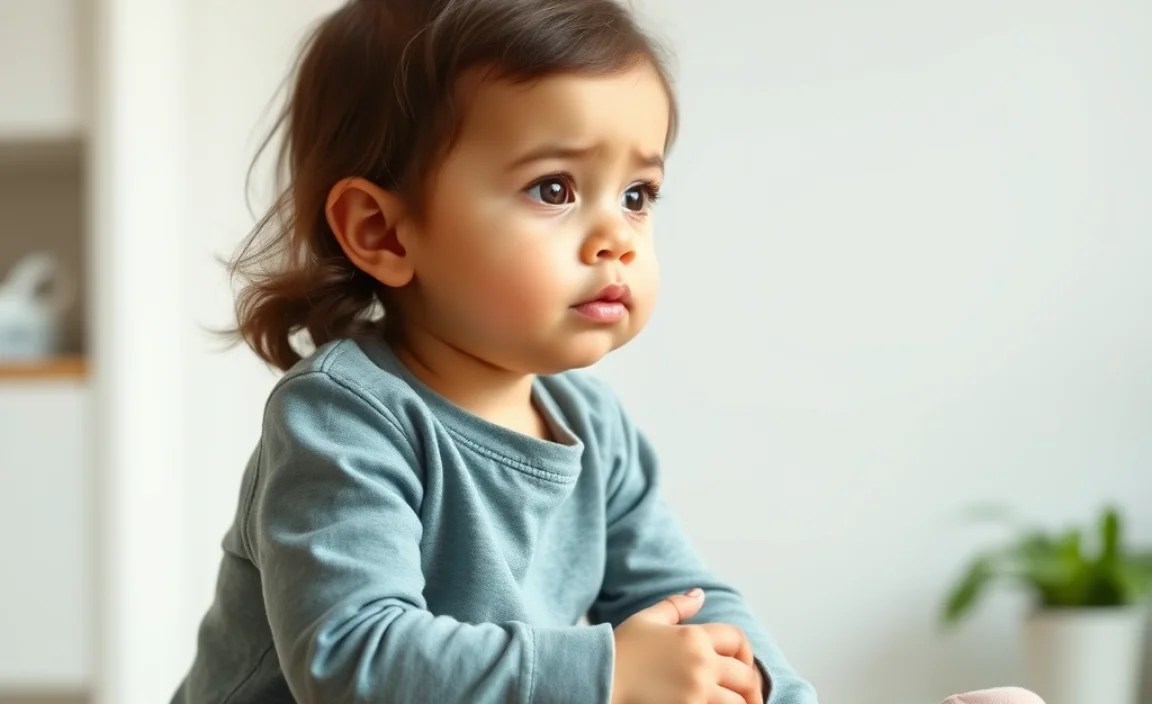
Creating a Calm Environment
A calm home can make a big difference for toddlers with anxiety. Imagine a peaceful, safe space. This is what we want to create. Keep things consistent. Toddlers feel better when they know what to expect. Set up a regular daily schedule. This includes meal times, play times, and bedtimes. Avoid sudden changes as much as possible. If a change is coming, prepare your toddler in advance. Talk about it in a simple way. Let them ask questions. A calm environment also means reducing stress. Try to keep the noise level down. Avoid arguing in front of your child. A peaceful home helps toddlers feel safe and secure. This is key for parenting toddlers with anxiety.
- Establish a consistent daily routine.
- Create a quiet and cozy space for relaxation.
- Limit exposure to stressful news or events.
- Play calming music or nature sounds.
- Use soft lighting to create a peaceful atmosphere.
- Avoid overscheduling your toddler’s activities.
Think of your home as a sanctuary. It should be a place where your toddler feels safe and loved. This doesn’t mean you have to tiptoe around and avoid all excitement. It just means being mindful of your toddler’s needs. Pay attention to their cues. If they seem overwhelmed, offer them a quiet space to retreat to. Sometimes, all they need is a few minutes to recharge. A calm environment is an ongoing effort. It’s about creating a lifestyle that supports your toddler’s well-being. With a little effort, you can transform your home into a haven of peace.
Fun Fact or Stat: Studies show that children who grow up in chaotic environments are more likely to experience anxiety.
The Importance of Routine
Why is routine so important? For toddlers, the world can feel big and confusing. A routine helps them make sense of it. When they know what’s coming next, they feel more secure. A predictable schedule reduces anxiety. It gives them a sense of control. This is especially important for toddlers with anxiety. A regular bedtime routine can help them fall asleep easier. Consistent mealtimes can reduce picky eating. Even small routines, like saying goodbye the same way each morning, can make a difference. A routine is like a roadmap. It helps them navigate their day with confidence.
Creating a Safe Space
What is a safe space? It’s a place where your toddler can go when they feel overwhelmed. This could be a cozy corner in their room. It could be a special blanket or a favorite chair. The key is that it should be a place where they feel comfortable and secure. Fill it with things that make them happy. This could be books, stuffed animals, or calming toys. Teach them that they can go to their safe space whenever they need to. It’s a place to calm down and regroup. A safe space is a powerful tool for parenting toddlers with anxiety.
Limiting Screen Time
Can screens affect anxiety? Yes, they can! Too much screen time can be overstimulating for toddlers. It can make it harder for them to relax and fall asleep. Some shows can even be scary or upsetting. It’s important to limit screen time. The American Academy of Pediatrics recommends no screen time for children under 18 months. For children 18-24 months, choose high-quality programming and watch it with them. For children 2-5 years, limit screen use to 1 hour per day of high-quality programs. Instead of screens, encourage other activities. Read books, play outside, or do art projects. These activities are much better for their development and their mental health.

Teaching Coping Skills
Toddlers can learn simple ways to manage their anxiety. These are called coping skills. One easy skill is deep breathing. Teach your toddler to take slow, deep breaths. This can help them calm down when they feel upset. Another skill is using positive self-talk. Help them learn to say kind things to themselves. For example, “I am brave,” or “I can do this.” You can also teach them to use their senses to calm down. This could be listening to calming music or smelling lavender. These skills take practice. But with your help, your toddler can learn to use them when they need them most. Parenting toddlers with anxiety includes teaching them these important tools.
- Teach deep breathing exercises.
- Encourage positive self-talk.
- Use sensory tools like a stress ball.
- Read books about managing emotions.
- Practice these skills during calm moments.
- Model healthy coping skills yourself.
Remember, you are your child’s role model. They learn by watching you. So, show them how you manage your own stress. Take deep breaths when you feel overwhelmed. Talk about your feelings in a healthy way. This teaches them that it’s okay to have big emotions. It also shows them how to handle those emotions in a positive way. Parenting toddlers with anxiety is about more than just teaching them skills. It’s about showing them how to live a healthy, balanced life. By modeling healthy coping skills, you are giving them a gift that will last a lifetime.
Fun Fact or Stat: Studies show that children who learn coping skills early in life are better equipped to handle stress later on.
Deep Breathing Exercises
How do you teach a toddler to breathe deeply? Make it fun! You can pretend to smell a flower and then blow out a candle. Or you can have them lie on their back and put a stuffed animal on their tummy. As they breathe in, the stuffed animal will go up. As they breathe out, it will go down. This helps them focus on their breath. Practice these exercises when they are calm. That way, they will know how to do them when they are feeling anxious. Deep breathing is a simple but powerful tool for managing anxiety.
Positive Self-Talk
What is positive self-talk? It’s about saying kind things to yourself. Instead of saying, “I can’t do this,” you say, “I can try.” Instead of saying, “I’m scared,” you say, “I am brave.” Help your toddler come up with some positive statements. Write them down on a piece of paper. Decorate the paper with stickers or drawings. Hang it up in their room. Remind them to read the statements every day. Positive self-talk can help them feel more confident and less anxious. It’s a great tool for parenting toddlers with anxiety.
Sensory Tools
What are sensory tools? These are things that help you calm down by using your senses. A stress ball is a good example. Squeezing it can help release tension. Other sensory tools include: Play-Doh, bubbles, and weighted blankets. Experiment to see what works best for your child. Sensory tools can be especially helpful for toddlers who have a hard time expressing their feelings. They can provide a physical outlet for their anxiety. Sensory tools are a simple and effective way to help toddlers manage their emotions.

Positive Reinforcement and Encouragement
Praise your toddler when they face their fears. Notice when they are being brave. Tell them how proud you are. Positive reinforcement is a powerful tool. It encourages them to keep trying. Parenting toddlers with anxiety means celebrating small victories. Did they try a new food? Did they talk to a new person? Did they sleep in their own bed? These are all big accomplishments. Acknowledge their effort. Let them know that you see how hard they are trying. Positive reinforcement helps them build confidence. It also makes them more likely to try new things in the future.
- Praise brave behaviors immediately.
- Offer small rewards for facing fears.
- Focus on effort, not just outcome.
- Avoid punishment for anxious behaviors.
- Celebrate small victories with enthusiasm.
- Use a sticker chart to track progress.
Avoid punishing your toddler for being anxious. Anxiety is not a choice. It’s a feeling that they are struggling with. Punishment will only make them feel worse. Instead, focus on understanding their anxiety. Offer them comfort and support. Help them develop coping skills. Remember, parenting toddlers with anxiety is about being patient and compassionate. It’s about creating a safe space where they feel loved and accepted. With your support, they can learn to manage their anxiety and thrive.
Fun Fact or Stat: Research shows that positive reinforcement is more effective than punishment in helping children overcome anxiety.
Focusing on Effort, Not Outcome
Why is it important to focus on effort? Because the outcome is not always in their control. They might try their best, but still not succeed. But their effort is always something they can control. Praise them for trying hard. Tell them that you are proud of them for putting in the effort. This teaches them that effort is what matters. It also helps them develop a growth mindset. They learn that they can improve with practice. Focusing on effort is a key part of parenting toddlers with anxiety.
Using a Sticker Chart
How does a sticker chart work? It’s a simple way to track progress. Choose a behavior you want to encourage. For example, sleeping in their own bed. Every time they do that behavior, they get a sticker. When they reach a certain number of stickers, they get a reward. The reward doesn’t have to be big. It could be a trip to the park or a new book. The sticker chart provides visual reinforcement. It helps them see how far they have come. It also motivates them to keep going. A sticker chart can be a fun and effective tool for parenting toddlers with anxiety.
Avoiding Punishment
Why should you avoid punishment? Because anxiety is not a behavior that they are choosing. It’s a feeling that they are struggling with. Punishing them for being anxious will only make them feel worse. It will make them feel ashamed and guilty. It will also damage your relationship. Instead, focus on understanding their anxiety. Offer them comfort and support. Help them develop coping skills. Remember, parenting toddlers with anxiety is about being patient and compassionate.
Addressing Separation Anxiety
Many toddlers experience separation anxiety. It’s normal for them to feel upset when you leave. But there are things you can do to make it easier. Always say goodbye. Don’t sneak away when they are not looking. This can make them feel more anxious. Create a goodbye routine. This could be a special hug or a wave. Be consistent with the routine. This helps them know what to expect. Reassure them that you will come back. Tell them when you will be back. For example, “I will be back after your nap.” Keep your promises. This builds trust. Parenting toddlers with anxiety includes addressing separation anxiety with patience and understanding.
- Always say goodbye to your toddler.
- Create a consistent goodbye routine.
- Reassure your toddler that you will return.
- Leave familiar objects with your toddler.
- Avoid lingering during goodbyes.
- Practice short separations.
Remember, separation anxiety is a normal stage of development. It usually gets better over time. But if your toddler’s separation anxiety is severe or lasts for a long time, talk to your doctor. They can help you determine if there is a bigger problem. They can also recommend strategies for managing the anxiety. Parenting toddlers with anxiety sometimes requires professional help. Don’t be afraid to ask for it.
Fun Fact or Stat: Separation anxiety typically peaks between 18 months and 3 years of age.
Practicing Short Separations
How do you practice short separations? Start small. Leave your toddler with a trusted caregiver for a short period of time. This could be just for 15 minutes. Gradually increase the amount of time. This helps them get used to being away from you. Make sure the caregiver is someone they feel comfortable with. Talk to your toddler about where you are going. Tell them when you will be back. This helps them feel more secure. Practicing short separations is a helpful way to address separation anxiety.
Leaving Familiar Objects
What are familiar objects? These are things that make your toddler feel safe and comfortable. This could be a favorite blanket, a stuffed animal, or a toy. Let them take these objects with them when you leave. These objects provide comfort and security. They remind them of you. They can help them feel less anxious. Leaving familiar objects is a simple but effective way to ease separation anxiety.
Avoiding Lingering
Why should you avoid lingering? Because it can actually make the anxiety worse. The longer you stay, the more anxious they will become. Say goodbye quickly and confidently. Reassure them that you will be back. Then, leave. It might be hard, but it’s the best thing for them. Lingering sends the message that you are also anxious. This can make them feel even more insecure. A quick and confident goodbye is the best approach.
When to Seek Professional Help
Sometimes, anxiety is more than just a normal part of growing up. If your toddler’s anxiety is severe or interfering with their daily life, it’s time to seek professional help. Signs that your toddler might need help include: frequent tantrums, difficulty sleeping, refusal to go to daycare, and excessive worry. A therapist can help your toddler learn coping skills. They can also help you develop strategies for parenting toddlers with anxiety. Don’t hesitate to reach out for help. Early intervention can make a big difference.
| Symptom | Description | When to Seek Help |
|---|---|---|
| Frequent Tantrums | Tantrums that occur several times a day. | If tantrums are disruptive and difficult to manage. |
| Sleep Difficulties | Trouble falling asleep or staying asleep. | If sleep problems persist for several weeks. |
| Refusal to Attend Daycare | Consistent refusal to go to daycare or school. | If refusal causes significant distress for the child. |
| Excessive Worry | Worrying about many things, even small things. | If worry interferes with daily activities. |
Remember, seeking professional help is not a sign of failure. It’s a sign that you are a caring and responsible parent. A therapist can provide you with the tools and support you need to help your toddler thrive. Parenting toddlers with anxiety can be challenging. But you don’t have to do it alone. There are many resources available to help you and your child.
Fun Fact or Stat: Approximately 7% of children experience anxiety disorders.
Finding a Qualified Therapist
How do you find a good therapist? Start by talking to your doctor. They can refer you to a therapist who specializes in working with young children. You can also ask friends or family for recommendations. When you find a therapist, ask about their experience and qualifications. Make sure they are licensed and have experience working with toddlers. It’s also important to find a therapist that you and your child feel comfortable with. The right therapist can make a big difference.
What to Expect in Therapy
What happens in therapy? Therapy for toddlers is usually play-based. The therapist will use games, toys, and art to help your toddler express their feelings. They will also teach them coping skills. You will also be involved in the therapy process. The therapist will teach you strategies for parenting toddlers with anxiety. Therapy is a collaborative effort. It requires commitment from both you and your child.
The Importance of Early Intervention
Why is early intervention so important? Because anxiety can get worse over time if it’s not treated. Early intervention can help prevent anxiety from becoming a chronic problem. It can also help your toddler develop healthy coping skills. These skills will benefit them throughout their life. Early intervention gives your toddler the best chance to thrive. It’s a gift that will keep on giving.
Self-Care for Parents
Parenting toddlers with anxiety can be stressful. It’s important to take care of yourself. When you are stressed, it’s harder to help your child. Make time for activities that you enjoy. This could be reading, exercising, or spending time with friends. Get enough sleep. Eat healthy foods. Practice relaxation techniques. Ask for help when you need it. Don’t be afraid to lean on your partner, family, or friends. Remember, you can’t pour from an empty cup. Taking care of yourself is not selfish. It’s essential for being a good parent.
- Make time for activities you enjoy.
- Get enough sleep and eat healthy.
- Practice relaxation techniques.
- Seek support from friends and family.
- Join a parenting support group.
- Remember that you are not alone.
Remember, you are doing the best you can. Parenting toddlers with anxiety is not easy. There will be good days and bad days. Be patient with yourself and with your child. Celebrate small victories. Learn from setbacks. Know that you are making a difference in your child’s life. Your love and support are the most important things they need. With your help, they can learn to manage their anxiety and thrive.
Fun Fact or Stat: Parents who practice self-care are better able to cope with the challenges of parenting.
Setting Realistic Expectations
What are realistic expectations? It’s important to remember that your toddler is not going to be perfect. They are going to have good days and bad days. They are going to make mistakes. That’s okay. Don’t expect them to be able to manage their anxiety perfectly. Just focus on helping them make progress. Celebrate small victories. Learn from setbacks. Be patient and understanding. Setting realistic expectations will help you avoid frustration and disappointment.
Seeking Support Groups
What is a support group? It’s a group of people who are going through similar experiences. A parenting support group can provide you with a safe and supportive space to share your challenges and successes. You can learn from other parents. You can get advice and encouragement. You can realize that you are not alone. A support group can be a valuable resource for parenting toddlers with anxiety.
Practicing Mindfulness
What is mindfulness? It’s about paying attention to the present moment without judgment. It’s about focusing on your breath, your senses, and your thoughts. Mindfulness can help you reduce stress and improve your well-being. You can practice mindfulness by meditating, doing yoga, or simply taking a few deep breaths. Mindfulness can help you be more present and patient with your child. It can also help you manage your own anxiety.
Summary
Parenting toddlers with anxiety requires patience, understanding, and a proactive approach. By creating a calm and predictable environment, teaching coping skills, and using positive reinforcement, you can help your toddler manage their anxiety. It’s important to remember that every child is different and what works for one child may not work for another. Be patient and experiment with different strategies to find what works best for your toddler. Don’t hesitate to seek professional help if your toddler’s anxiety is severe or interfering with their daily life.
Conclusion
Anxiety in toddlers can be challenging, but with the right approach, you can make a positive difference. Focus on creating a safe and supportive environment. Teach your toddler simple coping skills. Celebrate their efforts. Remember to take care of yourself. And don’t hesitate to seek professional help when needed. By working together, you and your toddler can overcome anxiety and thrive.
Frequently Asked Questions
Question No 1: What are the signs of anxiety in toddlers?
Answer: Anxiety in toddlers can show up in different ways. Some toddlers might have frequent tantrums or cry more than usual. Others might become clingy and not want to leave your side. You might also notice changes in their sleep or eating habits. They may have trouble falling asleep or refuse to eat certain foods. Some toddlers might complain about tummy aches or headaches, even when they are not sick. It’s important to pay attention to any changes in your toddler’s behavior that might indicate anxiety. If you’re concerned, talk to your doctor.
Question No 2: How can I help my toddler cope with anxiety?
Answer: There are many things you can do to help your toddler cope with anxiety. First, create a calm and predictable environment. Toddlers feel more secure when they know what to expect. Establish a consistent daily routine for meals, naps, and bedtime. Second, teach your toddler simple coping skills, such as deep breathing or positive self-talk. Help them practice these skills when they are calm so they can use them when they feel anxious. Third, offer lots of love and reassurance. Let them know that you are there for them and that you understand how they are feeling. These steps are important for parenting toddlers with anxiety effectively.
Question No 3: Is it normal for toddlers to have separation anxiety?
Answer: Yes, separation anxiety is very common in toddlers. It’s a normal part of development. Most toddlers experience separation anxiety between 8 months and 3 years old. They might cry or get upset when you leave them, even if it’s just for a short time. This is because they are still learning that you will always come back. To help your toddler cope with separation anxiety, always say goodbye before you leave. Don’t sneak away when they are not looking. Create a consistent goodbye routine, such as a special hug or wave. Reassure them that you will come back and tell them when you will be back. Practicing short separations can also help them get used to being away from you.
Question No 4: When should I seek professional help for my toddler’s anxiety?
Answer: If your toddler’s anxiety is severe or interfering with their daily life, it’s time to seek professional help. Some signs that your toddler might need help include: frequent tantrums, difficulty sleeping, refusal to go to daycare, and excessive worry. A therapist can help your toddler learn coping skills and can also help you develop strategies for parenting toddlers with anxiety. Don’t hesitate to reach out for help. Early intervention can make a big difference.
Question No 5: What are some relaxation techniques I can teach my toddler?
Answer: There are several relaxation techniques you can teach your toddler. One simple technique is deep breathing. Have them pretend to smell a flower and then blow out a candle. This helps them focus on their breath and calm down. Another technique is progressive muscle relaxation. Have them tense and then relax different muscle groups in their body. You can also try guided imagery. Have them imagine a peaceful place, such as a beach or a forest. You can also use sensory tools, such as a stress ball or a weighted blanket, to help them relax. Practicing these techniques regularly can help your toddler manage their anxiety.
Question No 6: How can I take care of myself while parenting a toddler with anxiety?
Answer: Parenting toddlers with anxiety can be stressful. It’s important to take care of yourself. Make time for activities that you enjoy, such as reading, exercising, or spending time with friends. Get enough sleep and eat healthy foods. Practice relaxation techniques, such as deep breathing or meditation. Ask for help when you need it. Don’t be afraid to lean on your partner, family, or friends. Remember, you can’t pour from an empty cup. Taking care of yourself is not selfish. It’s essential for being a good parent. Joining a support group can also be beneficial for parenting toddlers with anxiety.
