
Do you have a picky eater at home? Does your toddler turn away from new foods? Parenting toddlers with food aversion can be tough. It is often stressful for parents. You are not alone if meal times feel like a battle. Many families face this challenge.
Some kids only want to eat a few things. They might refuse anything new. This can make it hard to plan meals. It also makes you worry about their health. What can you do to help your child eat better? Let’s explore some helpful tips for parenting toddlers with food aversion.

Key Takeaways
- Early intervention is key when parenting toddlers with food aversion effectively.
- Creating a relaxed and positive mealtime atmosphere helps reduce anxiety around food.
- Introducing new foods gradually and repeatedly can increase acceptance over time.
- Involve your toddler in meal preparation to make them more curious about food.
- Consult a pediatrician or feeding therapist for personalized guidance and support.

Understanding Toddler Food Aversion
Parenting toddlers with food aversion starts with understanding why it happens. Toddlers are learning about the world. They are becoming more independent. They often want to control what they eat. This is a normal part of growing up. Food aversion can also be caused by sensory issues. Some kids are very sensitive to textures or smells. A bad experience with a certain food can also cause aversion. For example, if a child choked on an apple, they might not want to eat apples again. Medical reasons can also play a role. Reflux or allergies can make eating uncomfortable. It is important to talk to your doctor to rule out any health problems. Knowing the cause can help you find the best way to help your child. This will also help you to practice patience.
- Toddlers want to be in control.
- Sensory issues can affect eating.
- Bad food experiences can cause aversions.
- Medical issues can make eating hard.
- Talk to your doctor for help.
It’s important to remember that parenting toddlers with food aversion requires patience. Try to make meal times fun. Offer a variety of foods, but don’t force your child to eat. Let them explore new foods at their own pace. You can also involve them in meal preparation. Let them help wash vegetables or stir ingredients. This can make them more interested in trying new things. Create a positive and relaxed environment during meal times. Avoid pressuring or scolding your child. Instead, praise them for trying new foods. Remember, every child is different. What works for one child may not work for another. It is also important to model good eating habits. Let them see you enjoying a variety of healthy foods.
Fun Fact or Stat: Studies show that picky eating affects up to 50% of toddlers at some point in their development!
Is it Just Pickiness or Something More?
How can you tell if your child is just picky or has a true food aversion? Picky eaters might refuse some foods. They still eat a variety of other things. Kids with food aversion may have a very limited diet. They might refuse entire food groups. They may also show signs of distress around food. This can include gagging, crying, or refusing to sit at the table. It is important to watch your child’s behavior closely. Keep a food diary to track what they eat. Note any reactions they have to different foods. Share this information with your doctor. They can help you determine if there is a problem. Early intervention is key. The earlier you address food aversion, the easier it will be to manage.
Creating a Positive Mealtime Environment
Imagine mealtime as a fun adventure, not a battle. Create a relaxed atmosphere. Turn off the TV and put away phones. Focus on enjoying each other’s company. Offer a variety of healthy foods. Let your child choose what they want to try. Don’t pressure them to eat everything on their plate. Serve small portions. It can be less overwhelming. Praise them for trying new things, even if they only take a small bite. Make mealtime a positive experience. This can help reduce anxiety around food. Remember, it’s okay if they don’t eat everything. The goal is to create a healthy relationship with food.
The Role of Sensory Sensitivities
Do certain textures or smells bother your child? Sensory sensitivities can play a big role in food aversion. Some kids are very sensitive to how food feels in their mouth. They may dislike mushy, slimy, or crunchy textures. Others are sensitive to smells. They may refuse foods with strong odors. Pay attention to your child’s reactions to different foods. Try offering foods in different forms. If they don’t like cooked carrots, try raw carrots. If they don’t like mashed potatoes, try roasted potatoes. You can also try blending foods to make them smoother. This can make them easier to eat. Remember, patience is key when parenting toddlers with food aversion.

Strategies for Introducing New Foods
Parenting toddlers with food aversion often involves finding creative ways to introduce new foods. Start small. Offer a tiny taste of a new food alongside something your child already likes. Don’t expect them to eat a whole serving right away. Try introducing new foods one at a time. This can help avoid overwhelming your child. Make it fun! Cut food into fun shapes. Arrange it on the plate to look like a face or animal. Serve dips like hummus or yogurt with vegetables. This can make them more appealing. Remember, it can take many tries for a child to accept a new food. Don’t give up after the first refusal. Keep offering it in different ways.
- Offer small tastes of new foods.
- Introduce one new food at a time.
- Make food fun and appealing.
- Use dips to encourage trying veggies.
- Keep offering new foods repeatedly.
- Be patient and don’t give up.
One helpful strategy is to involve your child in meal preparation. Let them help wash vegetables or stir ingredients. This can make them more interested in trying what they helped make. You can also take them grocery shopping with you. Let them pick out new fruits and vegetables to try. Read books about food together. This can help them learn about different foods and where they come from. It’s also helpful to model good eating habits. Let your child see you enjoying a variety of healthy foods. Talk about how good they taste and how they make you feel. Remember, your child is watching you. They are more likely to try new things if they see you enjoying them.
Fun Fact or Stat: It can take 10-15 exposures to a new food before a child accepts it!
The “One-Bite Rule” – Does It Work?
Have you heard of the “one-bite rule?” It means asking your child to try just one bite of a new food. Some parents find this helpful. It can encourage kids to try new things. Others find it creates more stress. It can turn mealtime into a power struggle. Every child is different. What works for one may not work for another. If your child is resistant to the one-bite rule, don’t force it. There are other ways to introduce new foods. Focus on creating a positive and relaxed atmosphere. This will make them more likely to try new things on their own.
Hiding Vegetables – A Sneaky Solution?
Is it okay to hide vegetables in your child’s food? Some parents do this to make sure their kids are getting enough nutrients. You can add pureed vegetables to sauces, soups, or baked goods. This can be a good short-term solution. However, it’s important to also teach your child about vegetables. They need to learn to like them on their own. Hiding vegetables can prevent them from learning to appreciate the taste and texture of different vegetables. Try to find a balance. Offer vegetables in different ways. Also, sneak them into meals when you can.
Using Positive Reinforcement
Positive reinforcement can be a powerful tool. Praise your child for trying new foods. Even if they only take a small bite. Avoid using rewards like candy or screen time. This can create unhealthy associations with food. Instead, offer verbal praise. Tell them how proud you are of them for trying something new. You can also use stickers or charts to track their progress. This can help them feel a sense of accomplishment. Remember, the goal is to create a positive relationship with food. Focus on encouragement and support.

Addressing Underlying Issues
Sometimes, parenting toddlers with food aversion means addressing underlying issues. As mentioned, sensory sensitivities can make eating difficult. Occupational therapy can help. A therapist can work with your child to address these sensitivities. They can also help them learn to tolerate different textures and smells. Medical issues like reflux or allergies can also cause food aversion. Talk to your doctor to rule out any health problems. They can recommend treatment options. Anxiety can also play a role. If your child is anxious about trying new foods, a therapist can help. They can teach them relaxation techniques. They can also help them cope with their fears.
- Address sensory sensitivities with therapy.
- Rule out medical issues with your doctor.
- Manage anxiety with relaxation techniques.
- Consider feeding therapy for support.
- Work with a team of professionals.
It’s important to remember that you are not alone. Many families struggle with food aversion. There are many resources available to help. Talk to your pediatrician. They can provide guidance and support. They can also refer you to specialists if needed. Feeding therapists can also be a valuable resource. They can help you develop strategies to address your child’s specific needs. Support groups can also be helpful. Connecting with other parents who are going through the same thing can provide comfort and encouragement. Remember, parenting toddlers with food aversion can be challenging. But with patience and support, you can help your child develop a healthy relationship with food.
Fun Fact or Stat: Feeding therapy can improve a child’s food acceptance by up to 80%!
The Role of Occupational Therapy
Occupational therapists (OTs) can help kids with sensory sensitivities. They use different activities to help them become more comfortable with textures and smells. An OT might have your child play with different materials. This could include playdough, sand, or water. They might also use food-based activities. This could involve touching, smelling, or playing with different foods. The goal is to help your child become less sensitive to these sensations. This can make it easier for them to try new foods. OTs can also teach your child strategies to cope with their sensitivities.
Medical Evaluations and Interventions
It’s important to rule out any medical reasons for food aversion. Talk to your doctor about your concerns. They may recommend some tests to check for allergies or reflux. If your child has allergies, you will need to avoid those foods. If they have reflux, your doctor may prescribe medication. Addressing these medical issues can make eating more comfortable for your child. This can also make them more willing to try new foods. Remember, it’s important to work with your doctor to find the best treatment plan.
When to Seek Professional Help
When should you seek professional help for your child’s food aversion? If your child is losing weight, it’s important to talk to your doctor. Also, if they are refusing entire food groups, seek help. If their pickiness is causing them distress, get advice. If you are feeling overwhelmed or stressed, reach out. A feeding therapist can provide guidance and support. They can help you develop strategies to address your child’s needs. Don’t hesitate to seek professional help. Early intervention can make a big difference.
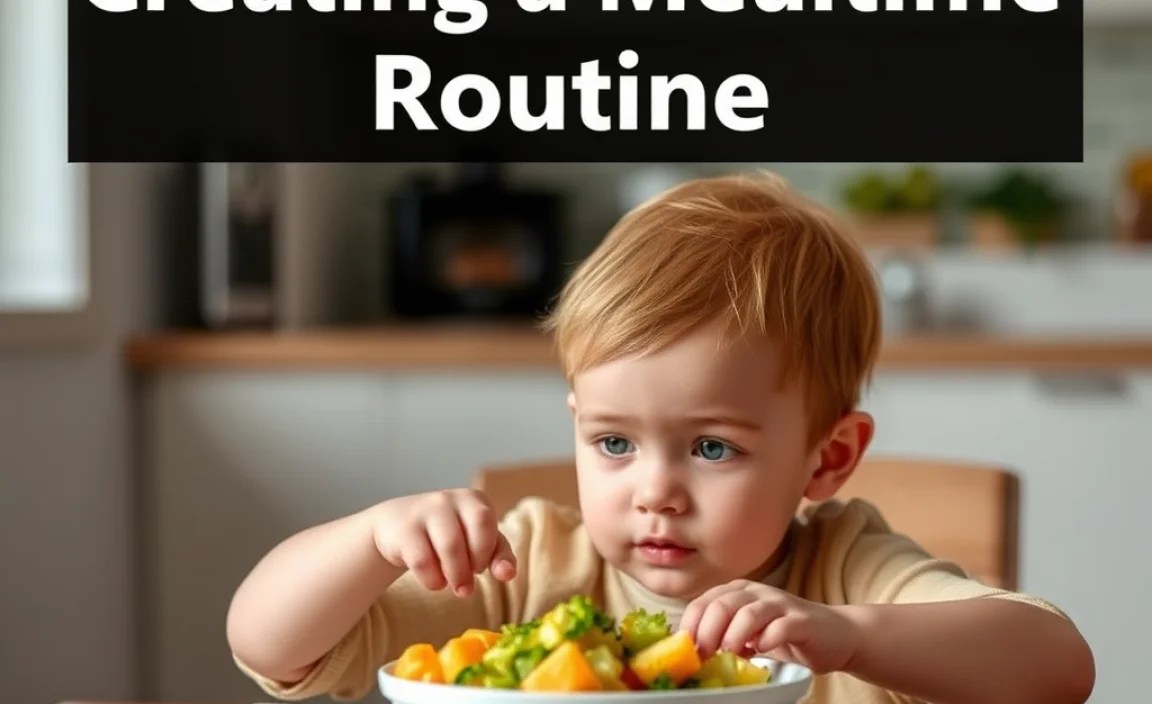
Creating a Mealtime Routine
Parenting toddlers with food aversion benefits from a consistent mealtime routine. Set regular meal and snack times. This helps your child know when to expect food. Avoid grazing between meals. This can make them less hungry at meal times. Create a designated eating area. This could be the kitchen table or a special spot in the living room. Make sure the area is free from distractions. Turn off the TV and put away phones. Involve your child in setting the table. This can make them feel more involved in the meal.
| Routine Element | Description | Benefits |
|---|---|---|
| Regular Meal Times | Set consistent times for meals and snacks each day. | Helps regulate hunger and expectations. |
| Designated Eating Area | Use the same place for meals, free from distractions. | Creates a positive association with eating. |
| Involve Your Toddler | Let them help with setting the table or choosing foods. | Increases their interest and participation. |
| Positive Atmosphere | Keep meal times relaxed and enjoyable, avoid pressure. | Reduces anxiety and promotes healthy eating habits. |
It’s also important to create a positive mealtime atmosphere. Avoid pressuring or scolding your child. Instead, praise them for trying new foods. Even if they only take a small bite. Talk about positive things during meal times. This can help your child associate eating with pleasant experiences. Make mealtime a family affair. Eat together as often as possible. This allows your child to see you enjoying a variety of healthy foods. It also provides an opportunity for them to socialize and learn from you. Remember, consistency is key when parenting toddlers with food aversion.
Fun Fact or Stat: Children who eat meals with their families tend to have healthier diets!
The Importance of Consistent Timing
Why is consistent timing so important for meal times? It helps regulate your child’s hunger. When they know when to expect food, their bodies will be ready to eat. This can make them more willing to try new things. Consistent timing also helps create a sense of routine. This can be especially helpful for kids with anxiety. Knowing what to expect can help them feel more secure. Try to stick to a regular schedule as much as possible. Even on weekends and holidays.
Creating a Distraction-Free Zone
Distractions can make it harder for your child to focus on eating. Turn off the TV and put away phones. This will help them pay attention to the food on their plate. It will also help them focus on the taste and texture of the food. Create a calm and quiet environment. This will make mealtime more enjoyable. You can also play soft music in the background. This can help create a relaxing atmosphere.
Making Mealtime a Social Event
Eating together as a family can have many benefits. It provides an opportunity to connect with your child. You can talk about your day and share stories. It also allows your child to see you enjoying a variety of healthy foods. This can encourage them to try new things. Make mealtime a social event. Focus on enjoying each other’s company. Avoid talking about stressful topics during meal times.
The Role of Portion Sizes
Parenting toddlers with food aversion requires careful consideration of portion sizes. Toddlers have small stomachs. They don’t need as much food as adults. Offering large portions can be overwhelming. It can also lead to food waste. Start with small portions. You can always offer more if your child is still hungry. Use child-sized plates and utensils. This can make the portions look less intimidating. Don’t pressure your child to finish everything on their plate. Let them eat until they are full.
- Offer small, child-sized portions.
- Avoid pressuring them to finish.
- Let them ask for more if hungry.
- Serve food in an appealing way.
- Focus on nutrient-dense foods.
It’s also important to focus on nutrient-dense foods. These are foods that are packed with vitamins and minerals. Examples include fruits, vegetables, whole grains, and lean protein. These foods will help your child get the nutrients they need. Even if they are only eating small amounts. Avoid offering sugary drinks or processed snacks. These foods are low in nutrients and can fill them up without providing much benefit. Offer water or milk instead. Remember, the goal is to provide your child with a variety of healthy foods. In the right portion sizes.
Fun Fact or Stat: A toddler’s stomach is about the size of their fist!
Understanding Toddler Stomach Capacity
It’s important to remember that toddlers have small stomachs. They can’t eat as much as adults. Offering large portions can be overwhelming. It can also lead to food waste. Start with small portions. You can always offer more if your child is still hungry. Let them be in charge of when they are full. Forcing them to eat can lead to a negative relationship with food.
Tips for Serving Appealing Portions
How can you make portions look more appealing to your child? Use child-sized plates and utensils. This can make the portions look less intimidating. Cut food into fun shapes. Arrange it on the plate to look like a face or animal. Serve dips like hummus or yogurt with vegetables. This can make them more appealing. Get creative with how you present the food. This can make it more likely that your child will try it.
Focusing on Nutrient-Dense Foods
What are nutrient-dense foods? These are foods that are packed with vitamins and minerals. Examples include fruits, vegetables, whole grains, and lean protein. These foods will help your child get the nutrients they need. Even if they are only eating small amounts. Offer a variety of these foods. This will help ensure that they are getting all the nutrients they need. Avoid offering sugary drinks or processed snacks.
Maintaining a Positive Attitude
Parenting toddlers with food aversion requires a positive attitude. Meal times can be stressful. It’s important to stay calm and patient. Avoid getting frustrated or angry. This will only make things worse. Focus on creating a positive and relaxed atmosphere. Praise your child for trying new foods. Even if they only take a small bite. Avoid using negative language. Don’t say things like “You have to eat this” or “If you don’t eat this, you won’t get dessert.” Instead, use positive language. Try saying “This is a healthy food that will make you strong” or “I’m so proud of you for trying something new.”
- Stay calm and patient during meals.
- Praise efforts to try new foods.
- Use positive language and encouragement.
- Avoid pressure or negative comments.
- Focus on building a healthy relationship.
It’s also important to remember that every child is different. What works for one child may not work for another. Don’t compare your child to others. Focus on their individual needs and progress. Celebrate small victories. Even if they only try one new food. This will help them feel encouraged. Remember, parenting toddlers with food aversion is a journey. It takes time and patience. With a positive attitude, you can help your child develop a healthy relationship with food.
Fun Fact or Stat: A positive mealtime environment can increase a child’s willingness to try new foods by 40%!
Managing Your Own Stress
How can you manage your own stress during meal times? Take a deep breath before you start. Remind yourself that you are doing your best. Don’t take your child’s pickiness personally. It’s not a reflection of your parenting. Focus on creating a positive and relaxed atmosphere. If you are feeling overwhelmed, take a break. Ask your partner or a family member to take over. Remember, it’s important to take care of yourself.
Celebrating Small Victories
It’s important to celebrate small victories. Even if your child only tries one new food. Praise them for their effort. Tell them how proud you are of them. This will help them feel encouraged. It will also make them more likely to try new things in the future. Keep track of their progress. This will help you see how far they have come. Remember, every step forward is a victory.
Focusing on the Long-Term Goal
It’s easy to get discouraged when your child is a picky eater. But it’s important to focus on the long-term goal. The goal is to help them develop a healthy relationship with food. This will benefit them for the rest of their lives. Don’t get caught up in the day-to-day struggles. Focus on creating a positive and supportive environment. Remember, it takes time and patience. With a positive attitude, you can help your child succeed.
Summary
Parenting toddlers with food aversion is a common challenge. Many parents face this issue. It can be caused by sensory issues, anxiety, or medical conditions. It is important to understand the underlying cause. Strategies for introducing new foods include offering small tastes, making food fun, and involving your child in meal preparation. A consistent mealtime routine can also be helpful. Remember to stay calm and patient. Focus on creating a positive and relaxed atmosphere. Seek professional help if needed. Occupational therapy and feeding therapy can be valuable resources. Early intervention can make a big difference.
Conclusion
Parenting toddlers with food aversion can be tough. However, with patience and the right strategies, you can help your child. Focus on creating a positive mealtime environment. Introduce new foods gradually. Address any underlying issues. Remember to celebrate small victories. By following these tips, you can help your child develop a healthy relationship with food. You can also reduce stress for yourself and your family.
Frequently Asked Questions
Question No 1: What are the common causes of food aversion in toddlers?
Answer: Food aversion in toddlers can stem from various factors. Sensory sensitivities play a big role. Some toddlers are very sensitive to textures, smells, or tastes. A negative experience with a particular food can also create an aversion. Medical conditions like reflux or allergies can make eating unpleasant. Psychological factors, such as anxiety or control issues, can contribute. Understanding the root cause is key to effective parenting toddlers with food aversion. When you know what is causing the problem, you can find the right support.
Question No 2: How can I introduce new foods to my toddler who has food aversion?
Answer: Introducing new foods requires patience and creativity. Start by offering small portions of the new food alongside a familiar favorite. This reduces the pressure. Make mealtime fun by cutting food into interesting shapes. You can also involve your toddler in meal preparation. This can increase their curiosity about the food. Offer the new food repeatedly, even if they initially refuse it. Remember that it can take many tries before a child accepts a new food. Avoid forcing them to eat. Focus on creating a positive and relaxed atmosphere. Parenting toddlers with food aversion is about building trust and making food fun.
Question No 3: Should I force my toddler to eat foods they dislike?
Answer: Forcing your toddler to eat foods they dislike is generally not recommended. It can create negative associations with food and mealtime. This can worsen their food aversion. Instead, focus on offering a variety of healthy foods. Let them choose what they want to eat. Praise them for trying new things, even if they only take a small bite. Creating a positive and supportive environment is key. Parenting toddlers with food aversion should be about encouragement, not force. If you are worried about their nutrition, talk to your doctor.
Question No 4: What role does mealtime routine play in managing food aversion?
Answer: A consistent mealtime routine can be very helpful. It helps your toddler know what to expect. Set regular meal and snack times. This can regulate their hunger and make them more willing to try new things. Create a designated eating area that is free from distractions. Turn off the TV and put away phones. Involve your toddler in setting the table. This can make them feel more involved. A structured routine can create a sense of security. This can reduce anxiety around food. Parenting toddlers with food aversion involves creating a predictable and comfortable environment.
Question No 5: When should I seek professional help for my toddler’s food aversion?
Answer: Seek professional help if your toddler is losing weight or refusing entire food groups. Also, seek help if their pickiness is causing them significant distress. If you are feeling overwhelmed or stressed, reach out. A pediatrician or feeding therapist can provide guidance and support. They can help you develop strategies to address your child’s specific needs. Early intervention can make a big difference. Do not hesitate to seek help. Remember, parenting toddlers with food aversion can be challenging. Professional help can make it easier.
Question No 6: Are there any support groups for parents of toddlers with food aversion?
Answer: Yes, there are many support groups available for parents. These groups can provide a sense of community. They also offer valuable advice and encouragement. You can find online support groups or local groups in your area. Talking to other parents who are going through the same thing can be very helpful. You can share your experiences and learn from others. Support groups can remind you that you are not alone. Parenting toddlers with food aversion is a journey. Connecting with others can make it easier.
