
Have you ever seen a friend get hurt doing something unsafe? Maybe they didn’t wear a helmet while biking. Or perhaps they ran with scissors. Safety is very important. We need rules to keep us safe. These rules are part of safety discipline. There are many safety discipline strategies that can help.
Sometimes, rules seem boring. But they are there to protect us. Think of seatbelts in a car. They might feel annoying, but they can save your life! Learning about safety discipline strategies helps us understand why rules matter. It also helps us stay safe.
Safety discipline means following rules and being careful. It’s about making good choices to avoid accidents. When we practice safety discipline strategies, we create a safer place for everyone. Let’s learn how to be super safety stars!

Key Takeaways
- Safety discipline strategies help prevent accidents and injuries at school and home.
- Always follow safety rules and instructions from teachers and adults.
- Being aware of your surroundings helps you identify potential hazards.
- Reporting unsafe conditions makes your environment safer for everyone.
- Positive reinforcement encourages safe behaviors among friends and classmates.

Understanding Safety Rules
What are safety rules? They are guidelines that help us avoid getting hurt. Think of them like road signs. Road signs tell drivers what to do. They prevent car crashes. Safety rules do the same thing for us. They tell us how to act in different situations. This keeps us safe from harm. Rules exist at school, at home, and in public places. Each set of rules is designed for a specific environment. For example, there are rules about running in the hallway at school. There are rules about using the stove at home. Each rule has a purpose. Understanding these rules helps us make smart choices. Knowing why a rule exists makes it easier to follow. Safety is everyone’s job. When we all follow the rules, we create a safer world.
- Always listen to your teachers and parents.
- Read and understand safety signs.
- Ask questions if you are unsure about a rule.
- Follow the rules even when no one is watching.
- Help others understand and follow safety rules.
Why is understanding safety rules so important? Imagine a playground without rules. Kids might push each other on the swings. Someone could get seriously hurt! Safety rules create order and prevent chaos. They help us think before we act. This means we are less likely to make mistakes that could lead to accidents. When we understand the purpose of a rule, we are more likely to follow it. For instance, knowing that wearing a helmet protects your head makes you want to wear one while biking. Safety rules are not just restrictions. They are tools that empower us to stay safe and healthy. Being responsible and aware is how we use these tools effectively.
Why Are Safety Rules Important?
Ever wonder why grown-ups always tell you to “be careful”? It’s because they care about your safety! Safety rules are like a shield. They protect you from getting hurt. Think about crossing the street. You need to look both ways. This is a safety rule. It stops you from walking into traffic. Imagine if everyone ignored this rule. There would be many accidents! Rules help us predict what others will do. This makes it easier to avoid danger. Safety rules are not just for kids. Adults need to follow them too. Everyone benefits from a safe environment. So, listen to the rules. They are there to keep you safe and sound!
Understanding Consequences
What happens if you break a safety rule? There can be consequences. A consequence is what happens after you do something wrong. If you run in the hallway, you might get a time-out. If you don’t wear a helmet while biking, you might get a scrape. Consequences help us learn from our mistakes. They teach us why safety rules are important. Sometimes, the consequences are small. Other times, they can be serious. It’s always better to follow the rules and avoid the consequences altogether. Think of consequences as a warning sign. They tell you to stop and think before you act. By understanding consequences, you can make better choices and stay safe!
Asking Questions About Safety
Do you ever feel confused about a safety rule? It’s okay to ask questions! Asking questions shows you are thinking about safety. It helps you understand why the rule exists. Imagine you are not sure how to use a tool. You should ask an adult for help. They can show you the right way to use it safely. Asking questions prevents accidents. It also helps you learn new things. There are no silly questions when it comes to safety. The more you know, the safer you will be. So, don’t be afraid to speak up. Your questions could save you or someone else from getting hurt!
Fun Fact or Stat: Did you know that wearing a helmet reduces the risk of head injury by 85%?
Hazard Identification Techniques
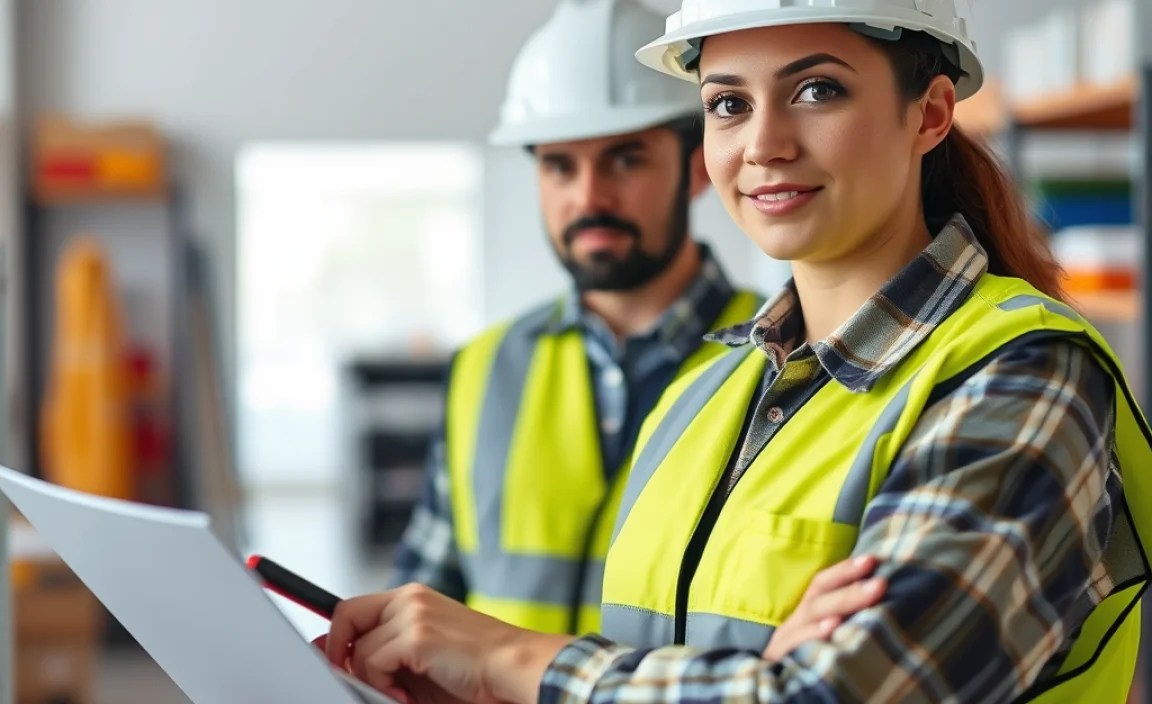
What is a hazard? A hazard is something that can cause harm. It could be a wet floor, a sharp object, or a broken toy. Hazard identification is finding these dangers before they cause an accident. Think of it like being a detective. You look for clues that something might be unsafe. For example, you see a puddle on the floor. That’s a clue! It could cause someone to slip and fall. Identifying hazards is the first step in preventing accidents. Once you know what the hazards are, you can take steps to fix them. You can put up a warning sign near the puddle. Or you can ask someone to clean it up. Being aware of your surroundings is very important. It helps you spot hazards before they cause harm. Safety starts with awareness.
- Look around for potential dangers.
- Pay attention to warning signs.
- Report any hazards you find to an adult.
- Be aware of your surroundings at all times.
- Think about what could go wrong in a situation.
- Use your senses to detect hazards (smell, sight, sound).
Why is hazard identification important for younger kids? Young children might not always recognize dangers. They might not know that a hot stove can burn them. Or that running with scissors is dangerous. That’s why adults need to teach them how to identify hazards. When kids learn to spot dangers, they can protect themselves. They can also protect others. Imagine a child sees a loose wire on a toy. They can tell an adult about it. The adult can fix the wire and prevent someone from getting shocked. Teaching hazard identification is like giving kids superpowers. It empowers them to stay safe and make smart choices. Safety education is key to creating a safer world for everyone.
Spotting Hazards at School
Can you think of hazards at school? There might be loose floor tiles. Or maybe a spill in the cafeteria. These things can cause accidents. Look around your classroom. Are there any sharp objects within reach? Is the floor clear of clutter? Identifying these hazards is important. It helps prevent injuries. Tell your teacher if you see something unsafe. They can take steps to fix it. Remember, your school is a shared space. Everyone needs to work together to keep it safe. Being a hazard detective at school can make a big difference. It helps create a safer learning environment for everyone.
Spotting Hazards at Home
What about hazards at home? Your house should be a safe place. But there can still be dangers. Think about the kitchen. Are there knives on the counter? Is the stove turned off? These are potential hazards. Check the bathroom for slippery floors. Look for cleaning supplies that are not stored properly. Tell your parents if you find something unsafe. They can help you fix it. Remember, teamwork makes your home safer. Everyone needs to be aware of potential hazards. By working together, you can create a safe and comfortable home.
Reporting Unsafe Conditions
What should you do if you see a hazard? Tell someone! Reporting unsafe conditions is very important. It helps prevent accidents. Tell a teacher, a parent, or another adult. They can take action to fix the problem. Don’t be afraid to speak up. Your report could save someone from getting hurt. Imagine you see a broken swing on the playground. You should tell your teacher right away. They can close the swing until it’s fixed. This prevents other kids from getting injured. Reporting unsafe conditions is a sign of responsibility. It shows you care about the safety of others. So, if you see something, say something!
Fun Fact or Stat: Children are more likely to get injured at home than at school.

Importance of Personal Protective Equipment
What is personal protective equipment? We call it PPE for short. PPE is special gear that keeps you safe. Think of it like a superhero costume. It protects you from harm! Helmets are PPE for your head. They protect you when you ride a bike. Safety glasses are PPE for your eyes. They protect you when you do science experiments. Gloves are PPE for your hands. They protect you when you handle chemicals. PPE is important because it creates a barrier between you and hazards. It reduces the risk of injury. Always use PPE when you are doing something that could be dangerous. Ask an adult if you are not sure what kind of PPE to use. Safety first!
- Wear a helmet when biking, skating, or skateboarding.
- Use safety glasses during science experiments.
- Wear gloves when handling chemicals or cleaning supplies.
- Use earplugs when working in a noisy environment.
- Wear a face mask to protect against dust and germs.
Why is PPE so important in sports? Many sports involve a risk of injury. Football players wear helmets and pads. This protects them from getting hurt during tackles. Baseball players wear batting helmets. This protects them from getting hit by a pitch. Skaters wear knee pads and elbow pads. This protects them from falls. PPE helps athletes stay safe while playing the sports they love. It reduces the risk of serious injuries. Remember, even if you are a good athlete, you should always wear PPE. It’s a smart way to protect yourself. Safety is always more important than winning.
Helmets Save Lives
Have you ever seen a cracked helmet? That helmet did its job! It protected someone’s head from a serious injury. Helmets are designed to absorb impact. They spread the force of a blow over a larger area. This reduces the amount of force that reaches your head. Always wear a helmet when biking, skating, or skateboarding. Make sure your helmet fits properly. It should be snug but not too tight. Replace your helmet if it gets damaged. A damaged helmet won’t protect you as well. Safety helmets are like superheroes for your head!
Safety Glasses Protect Your Eyes
Your eyes are very important. You need to protect them! Safety glasses are like shields for your eyes. They protect them from flying objects, chemicals, and dust. Wear safety glasses when doing science experiments. Wear them when using power tools. Wear them when playing sports like racquetball. Make sure your safety glasses fit properly. They should cover your eyes completely. Don’t wear regular glasses as a substitute for safety glasses. Regular glasses are not strong enough to protect your eyes from impact. Safety glasses keep your eyes safe and sound!
Gloves Protect Your Hands
Your hands do a lot of work. You need to protect them! Gloves are like armor for your hands. They protect them from cuts, burns, and chemicals. Wear gloves when handling cleaning supplies. Wear them when gardening. Wear them when cooking. Make sure your gloves fit properly. They should be snug but not too tight. Choose the right type of gloves for the job. There are different types of gloves for different tasks. Some gloves are made of rubber. Others are made of leather. Ask an adult if you are not sure what kind of gloves to use. Safety gloves keep your hands safe and sound!
Fun Fact or Stat: Wearing the correct gloves can reduce hand injuries by 60%.

Promoting a Culture of Safety Awareness
What does it mean to have a culture of safety awareness? It means that everyone cares about safety. It means that safety is always on our minds. We think about safety before we do anything. We talk about safety with our friends and family. We encourage each other to be safe. A culture of safety awareness makes our community safer. It reduces the risk of accidents and injuries. Everyone has a role to play in creating a culture of safety awareness. We can all be safety champions! Let’s work together to make our world a safer place.
- Talk about safety with your friends and family.
- Encourage others to follow safety rules.
- Be a role model for safe behavior.
- Participate in safety training and drills.
- Share safety tips and information.
- Celebrate safety successes.
- Report unsafe conditions and behaviors.
How can we promote safety awareness in schools? Schools are great places to learn about safety. Teachers can incorporate safety lessons into their curriculum. Students can create safety posters and presentations. Schools can hold safety drills to practice emergency procedures. These activities help students learn about hazards and how to prevent accidents. They also create a culture of safety awareness in the school community. When everyone is aware of safety, the school becomes a safer place for all. Let’s make our schools safety zones!
Safety Drills: Practicing for Emergencies
Why do we have safety drills? Safety drills help us prepare for emergencies. Imagine there is a fire at school. What should you do? A fire drill teaches you how to evacuate the building safely. You learn where to go and what to do. This helps you stay calm in a real emergency. Other types of drills include earthquake drills and lockdown drills. Each drill teaches you how to respond to a specific type of emergency. Safety drills are like practice runs. They help you be prepared for anything. Remember to take safety drills seriously. They could save your life!
Creating Safety Posters
Have you ever seen a safety poster? Safety posters are a great way to promote safety awareness. They use pictures and words to teach people about hazards and how to prevent accidents. You can create your own safety poster! Choose a safety topic. For example, you could make a poster about wearing helmets. Draw a picture of someone wearing a helmet while biking. Write a catchy slogan. For example, “Protect Your Head, Wear a Helmet!” Hang your poster in a visible place. This will help remind people to be safe. Safety posters are a fun and creative way to spread the word about safety!
Sharing Safety Tips
Do you have any safety tips to share? Sharing safety tips is a great way to promote safety awareness. You can share safety tips with your friends and family. You can also share them on social media. For example, you could share a tip about washing your hands. Washing your hands helps prevent the spread of germs. You could also share a tip about looking both ways before crossing the street. These simple tips can make a big difference. They can help prevent accidents and injuries. Remember, safety is everyone’s responsibility. Let’s all share our safety tips and make our community safer!
Fun Fact or Stat: Companies with strong safety cultures have 50% fewer accidents.
Positive Reinforcement for Safe Behaviors
What is positive reinforcement? It’s a way to encourage good behavior. When someone does something safe, you reward them. This makes them more likely to do it again. For example, you see a friend wearing a helmet while biking. You tell them, “Great job wearing your helmet! That’s very safe.” This is positive reinforcement. It encourages your friend to keep wearing their helmet. Positive reinforcement works better than punishment. It focuses on the good things people do. It creates a positive safety culture. Let’s use positive reinforcement to encourage safe behaviors!
- Praise safe behaviors when you see them.
- Give rewards for following safety rules.
- Recognize individuals who promote safety.
- Create a positive environment for safety.
- Focus on the good things people do.
- Avoid using punishment as much as possible.
How can teachers use positive reinforcement to promote safety? Teachers can praise students who follow safety rules. They can give rewards for good safety behavior. For example, a teacher could give a student a sticker for wearing a helmet. Or they could give a class extra recess for having a clean and organized classroom. These rewards encourage students to be safe. They also create a positive learning environment. When students feel appreciated for their safety efforts, they are more likely to continue being safe. Positive reinforcement is a powerful tool for promoting safety in schools.
Praising Safe Actions
Have you ever praised someone for being safe? It feels good to be recognized for doing the right thing. When you see someone being safe, tell them! Say something like, “I appreciate you wearing your safety glasses.” Or, “Thank you for cleaning up that spill.” Your praise will make them feel good. It will also encourage them to keep being safe. Praising safe actions is a simple but effective way to promote safety awareness. It creates a culture of safety where everyone feels valued and appreciated.
Rewarding Good Safety Habits
What kind of rewards can you give for good safety habits? Rewards can be anything that people value. They could be stickers, small toys, or extra privileges. For example, you could give a student a sticker for wearing a helmet. Or you could give a class extra recess for having a clean and organized classroom. The rewards don’t have to be expensive. The most important thing is that they are meaningful to the people receiving them. Rewarding good safety habits encourages people to continue being safe. It also creates a positive association with safety.
Recognizing Safety Champions
Who are the safety champions in your community? Safety champions are people who go above and beyond to promote safety. They might be teachers, parents, or community leaders. They are role models for safe behavior. They inspire others to be safe. You can recognize safety champions in many ways. You could give them an award. You could write a letter of appreciation. Or you could simply thank them for their efforts. Recognizing safety champions shows that you value their contributions. It also encourages others to become safety champions themselves.
Fun Fact or Stat: Positive reinforcement increases the likelihood of safe behavior by 70%.
Emergency Response Protocols
What are emergency response protocols? They are step-by-step plans for dealing with emergencies. Think of them like instructions for a game. They tell you what to do in different situations. For example, there is a protocol for what to do in case of a fire. There is a protocol for what to do in case of a medical emergency. Emergency response protocols help people stay calm and organized during stressful situations. They ensure that everyone knows what to do. This can save lives! Learning about emergency response protocols is an important part of safety discipline. It helps you be prepared for anything.
- Know the emergency contact numbers.
- Understand evacuation routes and procedures.
- Learn basic first aid skills.
- Practice emergency drills regularly.
- Stay calm and follow instructions during emergencies.
- Report emergencies to the appropriate authorities.
- Know the location of emergency equipment.
Why are emergency response protocols important at school? Schools need to be prepared for a variety of emergencies. These could include fires, earthquakes, or even active shooter situations. Emergency response protocols help schools respond quickly and effectively to these emergencies. They ensure that students and staff know what to do to stay safe. Schools should practice these protocols regularly through drills and simulations. This helps everyone be prepared in case of a real emergency. Safety is a top priority in schools. Emergency response protocols are an important part of ensuring that safety.
Fire Safety Protocols
What should you do if there is a fire? The first thing to do is stay calm. Don’t panic! Then, follow the fire safety protocols. These protocols usually involve evacuating the building. Follow your teacher’s instructions. Walk quickly and quietly to the designated meeting place. Do not stop to collect your belongings. Do not run. Once you are outside, stay with your class. Wait for further instructions. Fire safety protocols are designed to keep you safe. Following them can save your life!
Medical Emergency Protocols
What should you do if someone needs medical help? The first thing to do is call for help. Tell an adult or call 911. Explain the situation clearly. Tell them what happened and where you are. Then, follow the medical emergency protocols. These protocols may involve providing first aid. If you are trained in first aid, you can help the person until medical professionals arrive. Stay calm and follow instructions from adults. Medical emergency protocols are designed to get help to the person who needs it as quickly as possible.
Active Shooter Protocols
What should you do if there is an active shooter? This is a very serious situation. The most important thing is to stay safe. Follow the active shooter protocols. These protocols usually involve running, hiding, or fighting. If you can run, run away from the danger. If you can’t run, hide in a safe place. If you can’t hide, fight back using anything you can find. Stay calm and follow instructions from adults. Active shooter protocols are designed to help you survive a very dangerous situation.
| Emergency Type | Action | Key Steps |
|---|---|---|
| Fire | Evacuate | Stay low, follow exits, meet at assembly point. |
| Medical | Call for help | Call 911, provide first aid if trained, stay calm. |
| Earthquake | Drop, Cover, Hold On | Get under a desk, protect head and neck, hold on. |
| Active Shooter | Run, Hide, Fight | Run if possible, hide if not, fight as a last resort. |
Fun Fact or Stat: Practicing emergency drills can increase survival rates by 30%.
Summary
Safety discipline strategies are important for creating a safe environment. These strategies involve understanding safety rules. They also involve identifying hazards. Using personal protective equipment is also key. Promoting safety awareness and using positive reinforcement are important. Knowing emergency response protocols is crucial. By following these strategies, we can prevent accidents. We can also protect ourselves and others from harm. Safety is everyone’s responsibility. We all need to work together to create a safer world. When we all practice safety discipline, we make our schools, homes, and communities safer.
Remember, safety discipline strategies are not just for adults. Kids can also play a role in promoting safety. You can follow safety rules. You can identify hazards. You can encourage others to be safe. By being a safety champion, you can make a big difference. Safety starts with you! So, let’s all commit to practicing safety discipline strategies every day.
Conclusion
Safety discipline strategies are vital for protecting ourselves and others. These strategies help us prevent accidents. They also help us respond effectively in emergencies. By understanding safety rules, identifying hazards, and using personal protective equipment, we create a safer environment. Promoting safety awareness and practicing emergency response protocols are also crucial. Remember, safety is everyone’s responsibility. Let’s all commit to following safety discipline strategies. Together, we can make our schools, homes, and communities safer places.
Frequently Asked Questions
Question No 1: Why is safety discipline important?
Answer: Safety discipline is important because it helps prevent accidents and injuries. When we follow safety rules and procedures, we reduce the risk of harm. Safety discipline also creates a culture of safety. This means that everyone is aware of hazards and takes steps to avoid them. By practicing safety discipline, we protect ourselves and others from harm. It’s like wearing a seatbelt in a car. It might seem annoying, but it can save your life! Safety discipline is a way of life that keeps us safe and healthy. When we make safety a priority, we create a better world for everyone.
Question No 2: What are some examples of safety rules?
Answer: There are many different safety rules, depending on the situation. Some examples include: wearing a helmet when biking, looking both ways before crossing the street, not running with scissors, and washing your hands regularly. These rules are designed to protect us from specific hazards. For example, wearing a helmet protects your head from injury. Looking both ways prevents you from getting hit by a car. Washing your hands prevents the spread of germs. Following these safety rules helps us stay safe and healthy. They are simple things we can do every day to protect ourselves and others from harm.
Question No 3: How can I identify hazards?
Answer: Hazard identification involves looking for things that could cause harm. This could be anything from a wet floor to a sharp object. To identify hazards, you need to be aware of your surroundings. Pay attention to what is going on around you. Look for things that seem out of place or unsafe. For example, if you see a puddle on the floor, that’s a hazard. If you see a loose wire, that’s also a hazard. Once you identify a hazard, report it to an adult. They can take steps to fix the problem and prevent accidents. Being a hazard detective helps keep everyone safe!
Question No 4: What is personal protective equipment (PPE)?
Answer: Personal protective equipment (PPE) is special gear that protects you from harm. It’s like a superhero costume for safety! Examples of PPE include helmets, safety glasses, gloves, and earplugs. Each type of PPE protects you from a specific hazard. Helmets protect your head, safety glasses protect your eyes, gloves protect your hands, and earplugs protect your ears. Always use PPE when you are doing something that could be dangerous. Ask an adult if you are not sure what kind of PPE to use. PPE is an important part of safety discipline. It helps you stay safe and healthy.
Question No 5: How can I promote safety awareness?
Answer: Promoting safety awareness involves talking about safety with others. You can share safety tips with your friends and family. You can also create safety posters and presentations. Be a role model for safe behavior. Follow safety rules and encourage others to do the same. Report unsafe conditions to adults. Participate in safety training and drills. By promoting safety awareness, you can make a big difference in your community. You can help prevent accidents and injuries. Remember, safety is everyone’s responsibility. Let’s all work together to create a safer world!
Question No 6: What should I do in an emergency?
Answer: In an emergency, the first thing to do is stay calm. Don’t panic! Then, follow the emergency response protocols. These protocols will tell you what to do in different situations. For example, if there is a fire, evacuate the building. If someone needs medical help, call 911. If there is an active shooter, run, hide, or fight. Knowing emergency response protocols can save your life. Practice these protocols regularly through drills and simulations. This will help you be prepared in case of a real emergency. Safety discipline strategies include knowing how to react in difficult situations.
