
Do you love watching your toddler splash in the water? It is so fun to see them giggle and play. But is your toddler safe in the water? Many parents wonder if toddler arm floaties are safe. Let’s learn about how to keep your little one secure while swimming.

Key Takeaways
- Always watch your toddler closely, even with toddler arm floaties.
- Choose arm floaties that fit your child’s weight and size correctly.
- Toddler arm floaties should be used as a learning aid, not a substitute for supervision.
- Make sure the arm floaties are made from durable, non-toxic materials.
- Teach your toddler basic water safety skills, like floating and kicking.

Are Toddler Arm Floaties Safe?
When you take your toddler to the pool, safety is very important. Toddler arm floaties can seem like a great idea. They can help your child stay above water. But are they really safe? Arm floaties can give parents a false sense of security. Some parents might think they don’t need to watch their child as closely. This is not true! Arm floaties are not life-saving devices. You must always keep a close eye on your child. Make sure the floaties fit well. If they are too big, they might slip off. If they are too small, they might be uncomfortable. Always test the floaties in shallow water first. This way, you can see how your child does with them. Remember, constant supervision is key to keeping your toddler safe. Never leave your child alone near water, even for a second.
- Always stay within arm’s reach of your toddler.
- Check the floaties for any damage before each use.
- Make sure the floaties are properly inflated.
- Use arm floaties in a safe swimming area.
- Teach your child to never go near water without you.
Toddler arm floaties can be a useful tool when used correctly. They can help your child feel more comfortable in the water. They can also help them learn to swim. But it is important to remember that they are not a substitute for adult supervision. Always keep your eyes on your toddler. Make sure they are always within your reach. Teach them about water safety. This will help them stay safe and have fun in the water. Arm floaties are just one part of a bigger plan to keep your child safe while swimming. By following these tips, you can help your toddler enjoy the water safely.
Fun Fact or Stat: Drowning is a leading cause of accidental death for children ages 1–4. Always be vigilant near water!
What to Look For in Arm Floaties
Choosing the right arm floaties for your toddler is very important. How do you know which ones are best? Look for floaties that are made from strong materials. They should not tear or break easily. Make sure they fit your child’s weight and size. The floaties should be snug but not too tight. Check for a safety valve that prevents air from leaking out. Bright colors can help you see your child in the water more easily. Read reviews from other parents to see what they think of the floaties. When you find the right arm floaties, you can feel more confident that your child is safer in the water. But remember, even the best arm floaties don’t replace the need for your constant attention.
How to Properly Fit Arm Floaties
Putting arm floaties on your toddler correctly is key. If they are too loose, they won’t work well. If they are too tight, they will be uncomfortable. First, make sure the floaties are fully inflated. Then, slip them onto your child’s arms, above the elbow. The floaties should fit snugly. You should not be able to easily pull them off. Ask your child if they feel too tight. If they do, try a larger size. Watch your child in the water to make sure the floaties stay in place. Adjust them if needed. Remember, a good fit is important for both safety and comfort. Taking the time to fit the arm floaties correctly can make a big difference.
Testing Arm Floaties in Shallow Water
Before letting your toddler swim with arm floaties, test them first. Why is this important? Testing allows you to see how well the floaties work. It also lets your child get used to them. Start in shallow water where your child can stand. Put the arm floaties on your child. Watch how they move in the water. Do the floaties keep them afloat? Do they seem comfortable? Make sure the floaties don’t slip or slide. If everything looks good, you can let your child swim in slightly deeper water. But always stay close and watch carefully. Testing the arm floaties can help you feel more confident about their safety.

Choosing the Right Size of Toddler Arm Floaties
Picking the right size of toddler arm floaties is important for safety. Floaties that are too big won’t keep your child afloat properly. Floaties that are too small can be uncomfortable. Check the weight and age range on the floaties’ packaging. This will help you choose the right size for your toddler. When you put the floaties on your child, they should fit snugly. You should only be able to fit one or two fingers between the floatie and your child’s arm. If the floaties slide up and down easily, they are too big. If they leave marks on your child’s skin, they are too small. Always prioritize safety and comfort when choosing the size of arm floaties.
- Check the weight and age range on the packaging.
- Measure your child’s upper arm circumference.
- Try the floaties on your child before using them.
- Make sure the floaties fit snugly but not too tight.
- Choose floaties made of durable, non-toxic materials.
- Replace floaties if they become damaged or worn.
Toddler arm floaties come in different sizes and styles. Some have adjustable straps. These can help you get a better fit. Others are made of different materials. Some materials are more durable than others. Consider your child’s needs and preferences when choosing arm floaties. If your child has sensitive skin, look for floaties made of hypoallergenic materials. If your child is a strong swimmer, you might choose floaties that provide less support. But always remember that arm floaties are not a substitute for adult supervision. No matter what size or style you choose, always keep a close eye on your toddler in the water. This will help ensure their safety and enjoyment.
Fun Fact or Stat: Properly fitted life jackets reduce the risk of drowning by 86%!
How to Measure Your Child for Floaties
Measuring your child for arm floaties is simple. Grab a soft measuring tape. Wrap it around your child’s upper arm, above the elbow. Make sure the tape is snug but not too tight. Write down the measurement. Then, check the sizing chart on the floaties’ packaging. This will help you choose the right size. If you don’t have a measuring tape, you can use a string. Wrap the string around your child’s arm. Then, measure the string with a ruler. Remember, the goal is to find floaties that fit snugly and comfortably. Taking the time to measure your child will help you choose the right size and keep them safe.
What Happens If Floaties Are Too Big?
If arm floaties are too big, they won’t work properly. They might slip off your child’s arms. This could cause your child to go under the water. Big floaties can also be uncomfortable. They might rub against your child’s skin and cause irritation. If you notice that the floaties are too big, don’t use them. Get a smaller size that fits better. It’s better to wait until you have the right size than to risk your child’s safety. Always prioritize a snug and secure fit when choosing arm floaties. This will help keep your child safe and comfortable in the water.
What Happens If Floaties Are Too Small?
If arm floaties are too small, they will be uncomfortable. They might squeeze your child’s arms too tightly. This can restrict their movement. Small floaties might also leave marks on your child’s skin. If you notice that the floaties are too small, don’t force them on. Get a larger size that fits better. Make sure the floaties allow your child to move freely. Comfort is important, but safety is even more important. Choose arm floaties that fit snugly but don’t restrict your child’s movement. This will help them enjoy the water safely and comfortably.
Supervising Your Toddler While Using Arm Floaties
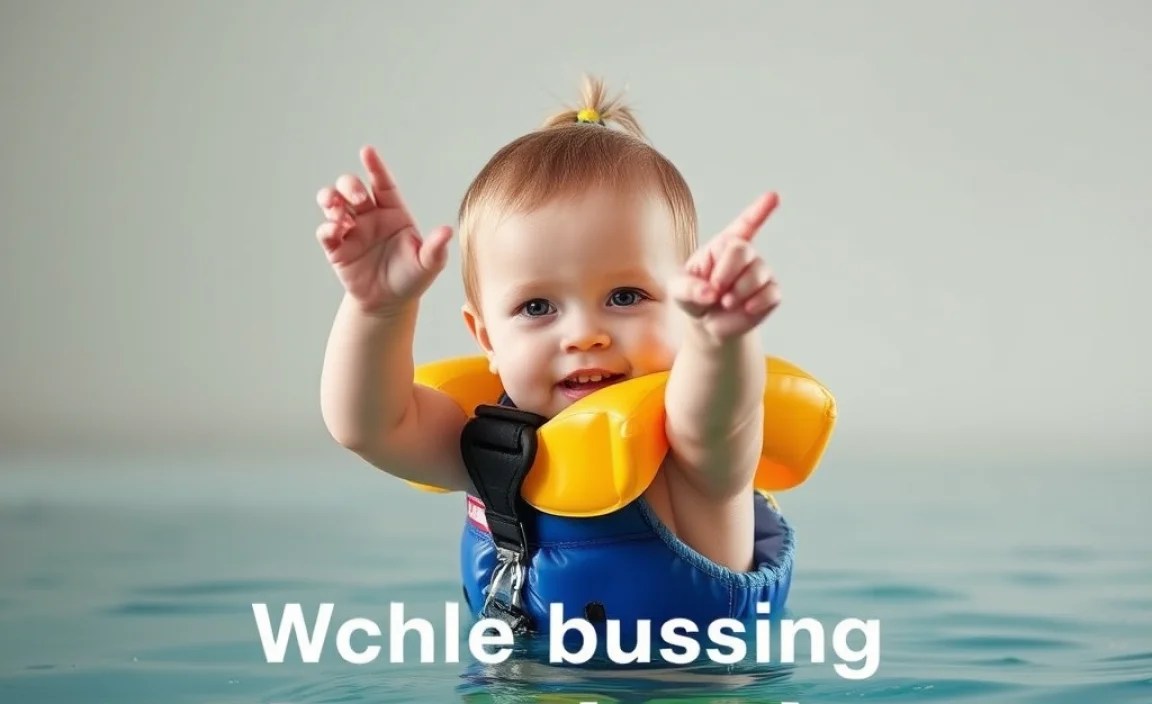
Supervision is key when your toddler uses arm floaties. Toddler arm floaties are not a substitute for your attention. You must always watch your child closely. Stay within arm’s reach at all times. Never let your child swim alone, even for a second. Pay attention to the water. Look for any signs of distress. If your child seems tired or scared, take them out of the water. Make sure they rest and rehydrate. Even strong swimmers need supervision. Accidents can happen quickly. By being vigilant, you can help prevent accidents and keep your toddler safe. Remember, your eyes are the best safety tool you have.
- Always stay within arm’s reach of your toddler.
- Avoid distractions like phones or books.
- Watch for signs of fatigue or distress.
- Take breaks from swimming to rest and rehydrate.
- Never assume that arm floaties make your child safe.
- Be ready to jump in and assist if needed.
Toddler arm floaties can give you a little extra peace of mind. But they should never make you complacent. Always be prepared to act quickly. Learn CPR and basic water rescue skills. This will help you respond effectively in an emergency. Make sure other caregivers know the importance of supervision. Share these safety tips with anyone who watches your child. By working together, you can create a safe swimming environment for your toddler. Remember, water safety is everyone’s responsibility. Let’s all do our part to keep our little ones safe in the water.
Fun Fact or Stat: CPR, when performed immediately, can double or triple a person’s chance of survival after cardiac arrest!
Why Constant Supervision Is Important
Constant supervision is important because accidents can happen fast. A child can slip or fall in the water in just seconds. Even if they know how to swim, they might panic. Toddler arm floaties can help, but they aren’t perfect. They can slip off or deflate. Constant supervision means always watching your child. It means being ready to jump in and help if needed. It means avoiding distractions like phones or books. Your full attention is the best way to keep your child safe. Don’t let a moment of inattention turn into a tragedy. Stay vigilant and protect your little one.
Recognizing Signs of Distress in the Water
Knowing how to spot signs of distress is key. A child who is struggling might not yell or splash. They might be silent and still. Look for these signs: head low in the water, mouth open, eyes glassy or closed, hair covering the face, body vertical in the water, legs not kicking. If you see any of these signs, act quickly. Get the child out of the water and check for breathing. If they are not breathing, start CPR. Knowing what to look for can save a life. Be aware and be prepared to act. Your quick response can make all the difference.
What to Do in Case of an Emergency
In case of an emergency, stay calm. Get the child out of the water as quickly as possible. Check for breathing. If the child is not breathing, call for help and start CPR. If someone else is nearby, ask them to call emergency services. Continue CPR until help arrives. If the child is breathing, keep them warm and monitor them closely. Even if the child seems okay, take them to a doctor to get checked out. Drowning can cause delayed complications. Being prepared and knowing what to do can save a life. Practice these steps so you’re ready if an emergency happens.

Teaching Water Safety Skills Alongside Arm Floaties
Toddler arm floaties are helpful. But teaching your toddler water safety skills is also important. Start by teaching them how to float on their back. Show them how to kick their legs and paddle their arms. Teach them to hold their breath underwater. Explain that they should never go near water without an adult. Make water safety a fun and positive experience. This will help your child feel more comfortable and confident in the water. Water safety skills, along with arm floaties and supervision, can help keep your toddler safe.
- Teach your toddler how to float on their back.
- Show them how to kick their legs and paddle their arms.
- Teach them to hold their breath underwater.
- Explain the importance of never going near water alone.
- Make water safety a fun and positive experience.
- Enroll them in swimming lessons for extra safety.
Toddler arm floaties can be a great tool for teaching water safety. They can help your child feel more secure in the water. This can make them more willing to learn new skills. Use the floaties as a way to introduce basic swimming techniques. Show your child how to move their arms and legs while wearing the floaties. Gradually reduce the amount of support the floaties provide. This will help your child develop their own swimming skills. Remember to always supervise your child closely. Even if they are wearing floaties and learning water safety skills, they still need your attention. With your help, they can become confident and safe swimmers.
Fun Fact or Stat: Swimming lessons can reduce the risk of drowning by 88% for children ages 1–4!
Teaching Toddlers How to Float
Teaching your toddler to float is a key water safety skill. Start by holding them in the water. Support their back and gently lay them back. Encourage them to relax and look up at the sky. Sing a song or talk to them in a soothing voice. This will help them feel more comfortable. Once they are relaxed, slowly remove your support. See if they can float on their own for a few seconds. If they start to sink, gently support them again. Practice this skill regularly. With time and patience, your toddler will learn to float with confidence. This skill can save their life in an emergency.
Practicing Kicking and Paddling
Kicking and paddling are important for moving in the water. Show your toddler how to kick their legs from the hips. Encourage them to keep their legs straight and their toes pointed. Then, show them how to paddle their arms. Tell them to reach forward and pull the water back. Make it a game. Pretend they are a boat or a duck. Encourage them to practice these skills regularly. The more they practice, the stronger and more confident they will become. Kicking and paddling will help them move through the water and stay safe.
Explaining the Importance of Adult Supervision
Explain to your toddler why they always need an adult nearby. Tell them that water can be dangerous. Explain that adults are there to help them stay safe. Use simple words they can understand. For example, you can say, “Water is fun, but it can also be tricky. That’s why you always need a grown-up with you.” Repeat this message often. Make sure they understand that they should never go near water without an adult. This rule is very important. It can help prevent accidents and keep them safe. Reinforce this message every time you are near water.
Checking Arm Floaties for Damage Before Each Use
Before each swim, check your toddler arm floaties. Look for any signs of damage. Check for holes, tears, or leaks. Make sure the seams are strong and secure. Squeeze the floaties to make sure they are fully inflated. If you find any damage, don’t use the floaties. Replace them with a new set. Damaged floaties might not keep your child afloat properly. This can be dangerous. Taking a few minutes to check the floaties can help prevent accidents and keep your child safe. Always prioritize safety when it comes to water play.
- Look for any holes, tears, or leaks.
- Check the seams to make sure they are strong.
- Squeeze the floaties to ensure they are fully inflated.
- Replace damaged floaties immediately.
- Store floaties in a cool, dry place to prevent damage.
- Avoid exposing floaties to direct sunlight for long periods.
Toddler arm floaties are made of materials that can wear down over time. Sun, water, and chlorine can all damage the floaties. This is why it’s important to check them regularly. Even if the floaties look okay, they might have small leaks. These leaks can make the floaties less effective. Always be vigilant and inspect the floaties carefully. If you notice any problems, don’t take a chance. Replace the floaties. Your child’s safety is worth the cost of a new set of floaties. By taking these precautions, you can help ensure that your child has a safe and fun swimming experience.
Fun Fact or Stat: UV rays from the sun can weaken plastic and rubber, making them more likely to crack or tear!
How to Spot Small Leaks
Finding small leaks can be tricky. But there are a few things you can do. First, inflate the floaties fully. Then, listen closely for any hissing sounds. This could indicate a leak. Next, put the floaties underwater. Look for bubbles coming from the seams or the surface. These bubbles show where air is escaping. If you find a small leak, you might be able to patch it with a repair kit. But it’s usually best to replace the floaties. A patch might not hold for long. It’s better to be safe than sorry. Always prioritize your child’s safety.
What to Do If You Find Damage
If you find damage on your child’s arm floaties, stop using them right away. Don’t try to fix them with tape or glue. These repairs might not hold. They could even make the floaties more dangerous. The best thing to do is to replace the floaties. Get a new set that is in good condition. Make sure the new floaties fit your child properly. Check them for damage before each use, too. By taking these steps, you can help keep your child safe in the water. Remember, prevention is always better than cure.
Storing Floaties Properly to Prevent Damage
Storing arm floaties properly can help them last longer. After each use, rinse the floaties with fresh water. This will remove any chlorine or salt. Then, dry them completely. Store them in a cool, dry place away from direct sunlight. Sunlight can damage the plastic and make it brittle. Avoid storing the floaties in a hot car. The heat can also damage them. If you store the floaties carefully, they will be less likely to crack or tear. This will help them stay in good condition for longer. Proper storage is a simple way to protect your investment and keep your child safe.
Comparing Different Types of Toddler Arm Floaties
There are many types of toddler arm floaties. Some are made of foam. Others are inflatable. Each type has its own pros and cons. Foam floaties are durable and don’t require inflation. But they can be bulky and less comfortable. Inflatable floaties are lightweight and adjustable. But they can puncture and deflate. Some floaties have a single chamber. Others have multiple chambers for added safety. Consider your child’s needs and preferences when choosing arm floaties. Think about durability, comfort, and safety features. Here is a table to help you compare:
| Type of Floatie | Pros | Cons | Best For |
|---|---|---|---|
| Inflatable Arm Floaties | Lightweight, adjustable, easy to store | Can puncture, requires inflation | Travel, occasional use |
| Foam Arm Floaties | Durable, no inflation needed | Bulky, less adjustable | Frequent use, rough play |
| Vest with Arm Floaties | Provides extra buoyancy, keeps torso upright | Can be restrictive, may not fit all children | Beginner swimmers, extra support |
| Swim Rings with Arm Holes | Allows for free movement, fun design | Less secure, requires more supervision | Confident swimmers, play time |
- Inflatable floaties are lightweight and easy to store.
- Foam floaties are durable and don’t need inflation.
- Vests with arm floaties offer extra support.
- Swim rings with arm holes allow for free movement.
- Consider your child’s needs when choosing.
- Think about durability, comfort, and safety.
Toddler arm floaties come in various designs. Some have fun characters or bright colors. This can make them more appealing to children. But don’t let the design distract you from safety. Always choose floaties that meet safety standards. Look for floaties that are certified by a recognized testing organization. Read reviews from other parents to see what they recommend. By doing your research, you can find the best arm floaties for your child. Remember, the most important thing is to keep your child safe in the water. Choose wisely and supervise carefully.
Fun Fact or Stat: Products with safety certifications have undergone rigorous testing to meet specific safety standards!
Pros and Cons of Inflatable Floaties
Inflatable arm floaties are a popular choice. They are lightweight and easy to pack. You can adjust the amount of air to get a comfortable fit. But they can also puncture. If they puncture, they will deflate. This can be dangerous. Always carry a repair kit with you. Check the floaties regularly for leaks. Inflatable floaties are best for occasional use. They are not as durable as foam floaties. Weigh the pros and cons before you choose inflatable floaties.
Pros and Cons of Foam Floaties
Foam arm floaties are very durable. They don’t need to be inflated. This means they can’t puncture or deflate. They are also easy to clean. But foam floaties can be bulky. They might not be as comfortable as inflatable floaties. They are also less adjustable. Foam floaties are a good choice for frequent use. They are also good for children who are rough on their toys. Consider these factors when choosing foam floaties.
What to Look for in a Vest with Arm Floaties
A vest with arm floaties provides extra support. It keeps your child upright in the water. Look for a vest that fits snugly. It should not be too loose or too tight. Make sure the vest is made of durable materials. Check the straps and buckles to make sure they are strong. The vest should be easy to put on and take off. It should also be comfortable for your child to wear. A vest with arm floaties can give you extra peace of mind. But remember, you still need to supervise your child closely.
Summary
Toddler arm floaties can be a helpful tool for water safety. They can help your child stay afloat and feel more comfortable in the water. However, they are not a substitute for adult supervision. Always keep a close eye on your toddler when they are near water. Choose arm floaties that fit properly and are in good condition. Check them for damage before each use. Teach your toddler basic water safety skills. By following these tips, you can help your child enjoy the water safely. Remember, water safety is everyone’s responsibility. Let’s all do our part to protect our little ones.
Conclusion
Toddler arm floaties can be a useful aid when used correctly. They are not a replacement for constant, attentive supervision. Make sure the floaties fit well. Check them often for damage. Teach your child about water safety. With the right precautions, your toddler can have fun and stay safe in the water. Enjoy your time at the pool or beach, but always be vigilant. Your child’s safety depends on it.
Frequently Asked Questions
Question No 1: At what age can my toddler start using arm floaties?
Answer: Most arm floaties are designed for toddlers aged 2 and up. However, it’s important to check the manufacturer’s recommendations for the specific product you choose. Always consider your child’s weight and size, not just their age. Make sure the arm floaties fit snugly and comfortably. Never leave a toddler unsupervised, even if they are wearing arm floaties. Constant supervision is key to preventing accidents. Remember, toddler arm floaties are only one part of a water safety plan.
Question No 2: How do I know if the arm floaties fit correctly?
Answer: The arm floaties should fit snugly around your toddler’s upper arms, above the elbows. You should be able to fit only one or two fingers between the floatie and your child’s skin. If the floaties slide up and down easily, they are too big. If they leave marks on your child’s skin, they are too small. Make sure the floaties allow your child to move their arms freely. Test the fit in shallow water to see how well they keep your child afloat. Adjust the fit as needed to ensure safety and comfort. Always supervise your child closely while they are wearing arm floaties. Toddler arm floaties that fit well are safer and more effective.
Question No 3: Can I leave my toddler alone while they are wearing arm floaties?
Answer: No, never leave your toddler alone while they are wearing arm floaties. Arm floaties are not a substitute for adult supervision. You must always keep a close eye on your child, even if they seem comfortable in the water. Accidents can happen quickly, and a toddler can easily slip or fall. Stay within arm’s reach of your child at all times. Avoid distractions like phones or books. Your full attention is the best way to keep your toddler safe. Remember, toddler arm floaties are just one layer of protection.
Question No 4: What are some other water safety tips for toddlers?
Answer: In addition to using arm floaties, teach your toddler basic water safety skills. Show them how to float on their back. Teach them how to kick their legs and paddle their arms. Explain that they should never go near water without an adult. Enroll them in swimming lessons. Always swim in designated areas with lifeguards present. Check the water depth before letting your child enter the water. Avoid inflatable toys, as they can easily tip over. By following these tips, you can help your toddler stay safe in the water. Toddler arm floaties combined with water safety education can make a big difference.
Question No 5: How often should I replace my toddler’s arm floaties?
Answer: You should replace your toddler’s arm floaties if they show any signs of damage. Check the floaties before each use for holes, tears, or leaks. Make sure the seams are strong and secure. If you find any damage, replace the floaties immediately. Even if the floaties look okay, they might have small leaks that can make them less effective. It’s also a good idea to replace the floaties every year, even if they don’t show any visible damage. This will ensure that they are in good condition and provide adequate support. Don’t risk your child’s safety by using damaged or worn-out arm floaties. The condition of your toddler arm floaties is important.
Question No 6: Are there any alternatives to arm floaties for toddlers?
Answer: Yes, there are several alternatives to arm floaties for toddlers. You can use a swim vest, which provides more buoyancy and keeps your child upright in the water. You can also use a puddle jumper, which combines a vest with arm floats. Some parents prefer to use a traditional life jacket, which is designed to keep your child afloat in an emergency. Another option is to enroll your child in swimming lessons, where they can learn to swim without any flotation devices. Whatever you choose, remember that adult supervision is always essential. Never rely solely on flotation devices to keep your child safe. Your active presence is the best protection. Even with alternatives to toddler arm floaties, constant vigilance is key.
